
CLIMATE TRANSITION ACTION PLAN

In 2025, we published the new adidas Climate Transition Action Plan outlining our commitment to reduce GHG emissions across all areas of our business. It provides a detailed roadmap to 2030, laying the foundation for our 2050 ambition. While we recognize the scale of the challenge and the uncertainties ahead, we remain committed to transparency and continuous refinement along the way. By sharing our plan, we hope to inspire others and help drive broader progress toward a more decarbonized industry. Read the full plan here.
Our Science-Based Targets
To ensure transparency and accountability, adidas has set ambitious climate targets validated by the Science Based Targets initiative (SBTi) (last validation obtained in 2024). The SBTi supports companies in setting reduction targets that are scientifically grounded, helping businesses contribute effectively to global climate action.
2025 CLIMATE MILESTONE ACHIEVED: 9% LOWER PRODUCT CARBON INTENSITY VS. 2022 BASELINE
This milestone builds on a product carbon intensity reduction target first introduced in 2019 as part of adidas’ early decarbonization efforts. In 2025, we reduced the carbon intensity of our products by 9% compared to our 2022 baseline, reflecting consistent action across our value chain and marking further progress in decoupling emissions intensity from business growth. This progress was driven by phasing out coal at supplier facilities where technically and economically feasible, increasing the use of renewable electricity across our own operations and supply chain, and scaling lower-carbon materials across key product categories. More detail on the drivers behind this progress is available in the Sustainability chapter of our Annual Report.
SCOPE 1 AND 2 2030 TARGET: AIM FOR A 70% GREENHOUSE GAS REDUCTION AGAINST A BASELINE OF 2022
OUR 2025 PROGRESS: 22% REDUCTION VERSUS 2022 (BASELINE)
OUR APPROACH
OUR NEAR-TERM OWN OPERATIONS SBTI-VALIDATED TARGET: AIM FOR A 70% REDUCTION IN SCOPE 1Scope 1 GHG emissionsScope 1 GHG emissions are direct GHG emissions from operations owned or controlled by an organization (SBTi, 2025). AND SCOPE 2Scope 2 GHG emissionsScope 2 GHG emissions are indirect GHG emissions associated with the generation of purchased or acquired electricity, steam, heating or cooling consumed by an organization (SBTi, 2025). ABSOLUTE GREENHOUSE GAS (GHG) EMISSIONSGreenhouse gas (GHG) emissionsGreenhouse gas (GHG) emissions are gases that trap heat in the Earth's atmosphere, a process called the greenhouse effect. Human activities, such as burning fossil fuels, increase the release of these gases, contributing to global warming and climate change (IPCC, 2018). BY 2030, MEASURED AGAINST A BASELINE OF 2022
At adidas, we are aiming to reduce our GHG emissions across our own operations, including our administrative offices, distribution centers and retail stores. This tackles the areas that are in our direct control, tracked under Scope 1 and Scope 2 emissions. adidas does not consider the use of offsetsOffset/Carbon offsettingAccording to the Intergovernmental Panel on Climate Change (IPCC) a carbon offset is a reduction of GHG in order to balance out an emission made elsewhere. Essentially, offsetting refers to buying carbon credits which are tradable units of reduced GHG emissions from projects outside an organization‘s operations (IPCC). However, it’s important to note that buying these credits doesn't actually reduce the emissions created by the original activity—it's just compensating for them by funding projects that cut emissions elsewhere. In other words, carbon offsetting doesn’t directly lower the emissions from the activity you’re trying to offset. to achieve this target. Reducing emissions from our own operations by 70% by 2030 equals a reduction of 2% of our total corporate emissions including supply chain, in the same timeframe.
key initiatives
As we are aiming for this target, we are focusing on the following key initiatives:
Powering up on Renewables: (67% reduction)
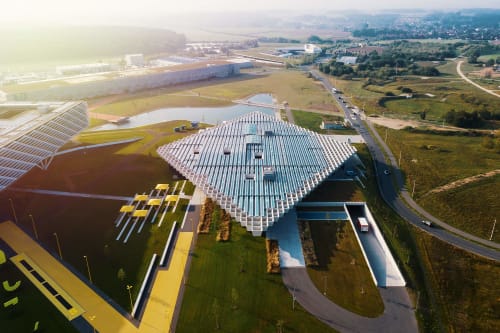
We are increasing our renewable electricity consumption through solar photovoltaic projects, power purchase agreements, and virtual power purchase agreements (PPAs & VPPAs) across key locations, including Germany, China, Europe, and North America.
On-Site solar projects: In 2024, we implemented additional on-site solar projects at the DC Manchester and at our factory outlet in Herzogenaurach. In 2025, we expanded our on-site solar PV at the distribution center in Colón, Panama.
Power Purchase Agreements (PPAs):Power Purchase Agreement (PPA)Power Purchase Agreements (PPAs) are long-term energy supply agreements concluded directly between a power consumer and a power producer, frequently renewable energy generators. By providing renewable electricity at mutually agreed rates, these contracts foster stability for both parties and promote the adoption of renewable energy sources. There are two main PPA variants: PPAs (Power Purchase Agreement): The electricity produced is delivered to the buyers physically. VPPAs (Virtual Power Purchase Agreement): An intermediary utility company handles the transfer of money and energy to and from the power producer on behalf of the buyer We continue to increase the renewable energy coverage by procuring renewable electricity through Power Purchase Agreements (PPAs) and Virtual Power Purchase Agreements (VPPAs). After securing a VPPA contract for many European countries in 2023, we also signed a VPPA contract for the USA and Canada in 2024. In 2025 we secured on-site Power Purchase Agreements (PPAs) for our Herzogenaurach headquarters and the e-commerce Fulfillment Center (EFC) in Rieste. Our European Virtual Power Purchase Agreement (VPPA) project became operational in 2025, resulting in a 23% reduction in absolute emissions across our European operations for the year. The North American VPPA is scheduled to become operational in 2026.
Improving energy efficiency: (3% reduction)
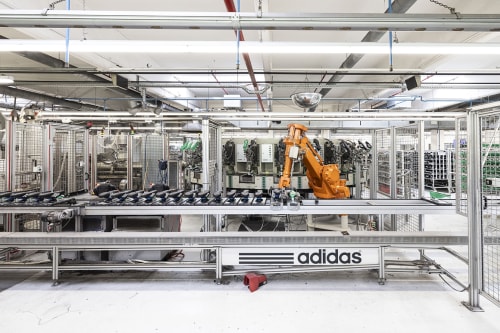
We are increasing energy efficiency through direct investments in building equipment, primarily at our corporate sites. This includes heating, ventilation, and air conditioning improvements, insulation, chiller replacements and LED retrofits in various locations.
In addition to these key initiatives, we are working on enhancing the quality of our energy data to make more informed strategic decisions. In 2025, we increased our primary data coverage for our own retail sites by 2% compared to the previous year, reaching 45% globally. Data coverage for administrative offices and distribution centers is at 100%, while data for showrooms and smaller offices was mostly estimated.
Our progress: Scope 1 and 2 GHG emissions
Carbon dioxide equivalent (CO2e)Carbon dioxide equivalent (CO2e)Carbon dioxide equivalent (CO2e) is the universal unit to compare the impact of different greenhouse gases (GHGs) on global warming. It reflects how much each GHG contributes to atmospheric harm in relation to carbon dioxide. Converting emissions from gases other than CO2 into CO2e units allows for easier comparison of their effects as well as understand the overall effect of GHG emissions on the climate (aligned with IPCC, 2025).
SCOPE 3 2030 TARGET: AIM FOR A 42% GREENHOUSE GAS REDUCTION AGAINST A BASELINE OF 2022
OUR 2025 PROGRESS: 5% REDUCTION VERSUS 2022 (BASELINE)
Our approach
Our near-term indirect emissions SBTi-validated target: aim for 42% reduction in Scope 3Scope 3 GHG emissionsScope 3 emissions are indirect GHG emissions (other than those covered in Scope 2) that occur from activities not directly controlled by the organization. adidas includes emissions from the categories purchased goods and services, fuel- and energy-related activities, upstream and downstream transportation and distribution, business travel, end-of-life treatment of sold products and downstream leased assets in its 2030 ambition (SBTi, 2025). absolute greenhouse gas (GHG) emissions by 2030, measured against a baseline of 2022
In addition to our direct operations, we are reducing greenhouse gas (GHG) emissions in our Scope 3 emissions. Recognizing that a significant portion of these emissions is linked to our suppliers, we understand that change depends on strong partnerships and meaningful collaboration with them. Through our Supplier Environmental Program, we provide the resources and guidance they need to reduce their environmental impact, which also impacts adidas’ carbon footprint. adidas does not consider the use of offsetsOffset/Carbon offsettingAccording to the Intergovernmental Panel on Climate Change (IPCC) a carbon offset is a reduction of GHG in order to balance out an emission made elsewhere. Essentially, offsetting refers to buying carbon credits which are tradable units of reduced GHG emissions from projects outside an organization‘s operations (IPCC). However, it’s important to note that buying these credits doesn't actually reduce the emissions created by the original activity—it's just compensating for them by funding projects that cut emissions elsewhere. In other words, carbon offsetting doesn’t directly lower the emissions from the activity you’re trying to offset. to achieve this target.
key initiatives
As we are aiming for this target, we do not consider the use of offsets, instead we are focusing on the following key initiatives:
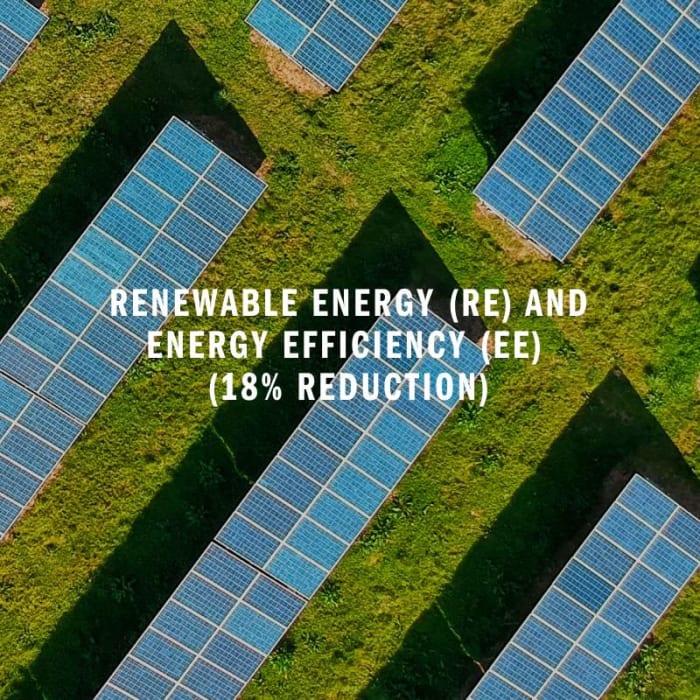
We collaborate with our key suppliers to reduce energy consumption by driving energy efficiency and maximize generation and/or use of renewable energy. During 2025, suppliers participating in our Supplier Environmental Program sourced over 26% of their electricity from renewable sources. This was achieved through on-site electricity generation (8% of the electricity used by our key suppliers is sourced from rooftop solar PV systems), procurement via Power Purchase Agreements (PPAs), or high-quality Energy Attribute Certificates (EACs). In particular, EACs were purchased where sourcing or scaling up of electricity from rooftop solar and/or RE PPA a-Agreements was not possible/limited. Energy Aattribute Ccertificates (EACs) are contractual instruments that certify the production of renewable and/or low- carbon energy (aligned with EPA, 2025).
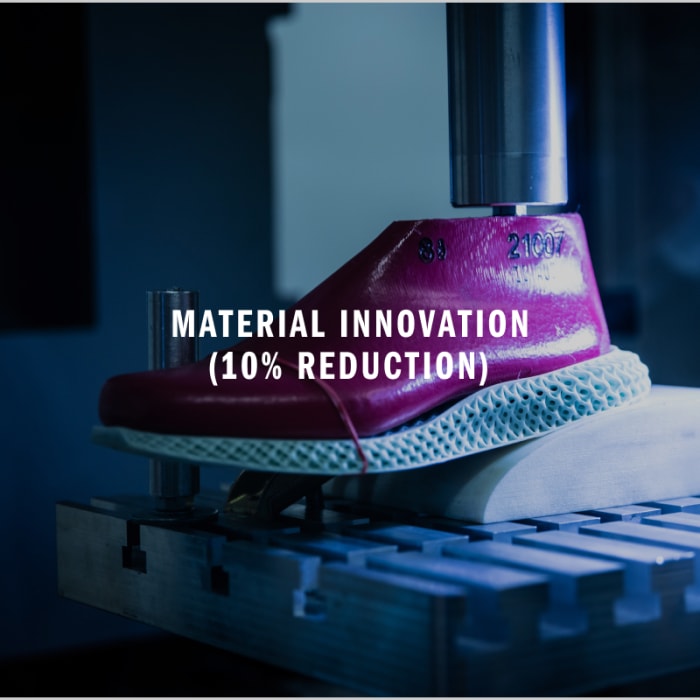
We are scaling the use of lower-carbon materials, such as recycled, renewable, and organic options. As part of our material innovation efforts, we have successfully transitioned 99% of our polyester to recycled polyester.
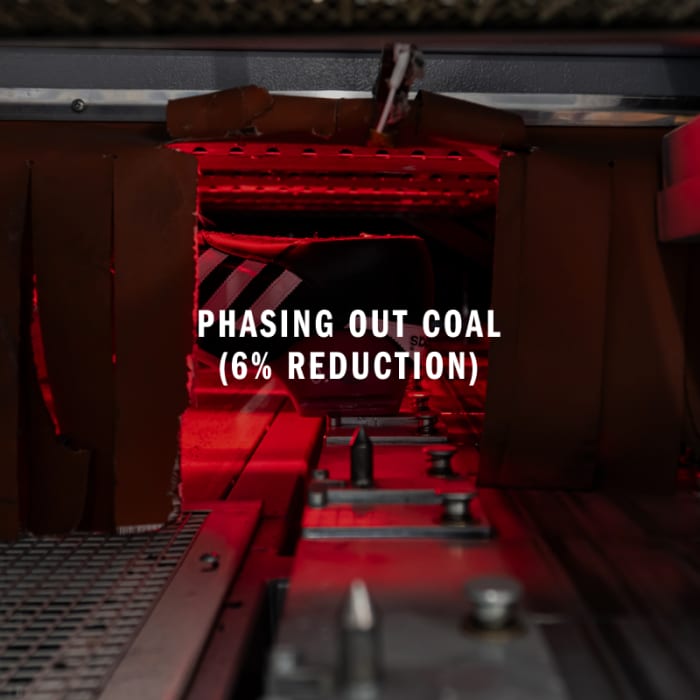
Coal-based thermal energy remains a material source of Scope 3 emissions in the manufacturing of adidas products. In line with our Climate Transition Action Plan, adidas implemented a dedicated coal phase-out program with Tier 1 and Tier 2 suppliers to replace coal-fueled boilers with lower-carbon energy solutions, such as biomass or natural gas, wherever feasible. By the end of 2025, most of targeted supplier sites had either completed the transition or were exited from the supply base, making this a key driver of product carbon-intensity reduction.
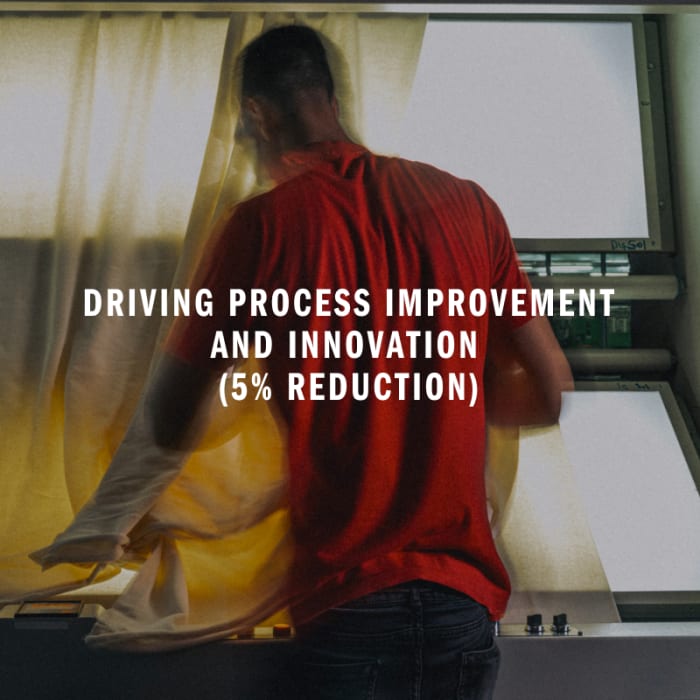
We actively support the development and scaling of lower-carbon solutions in material processing, manufacturing, as well as product assembly that help us reduce GHG emissions. This includes innovations such as process electrification and lower-temperature assembly.
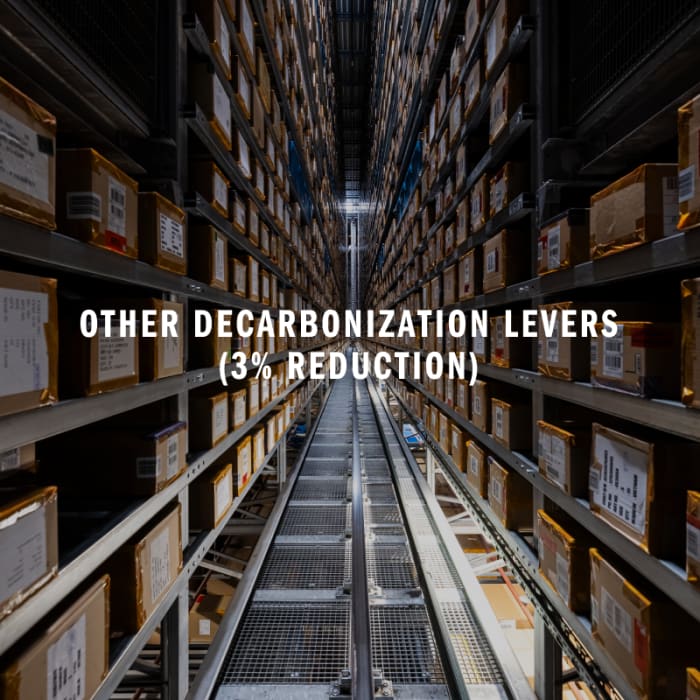
These include, among others, increasing the use of lower-carbon fuels for transportation, packaging optimization, and using recycled and certified packaging materials. In 2025, 85% of our primary cardboard packaging was recycled, and 98% of our polybags were made of recycled plastic.
We encourage and support our suppliers in setting Science-Based Targets, offering training programs in local languages to facilitate their adoption.
Our progress: Scope 3 GHG emissions
Carbon dioxide equivalent (CO2e)Carbon dioxide equivalent (CO2e)Carbon dioxide equivalent (CO2e) is the universal unit to compare the impact of different greenhouse gases (GHGs) on global warming. It reflects how much each GHG contributes to atmospheric harm in relation to carbon dioxide. Converting emissions from gases other than CO2 into CO2e units allows for easier comparison of their effects as well as understand the overall effect of GHG emissions on the climate (aligned with IPCC, 2025).
OUR PATH TO 2030
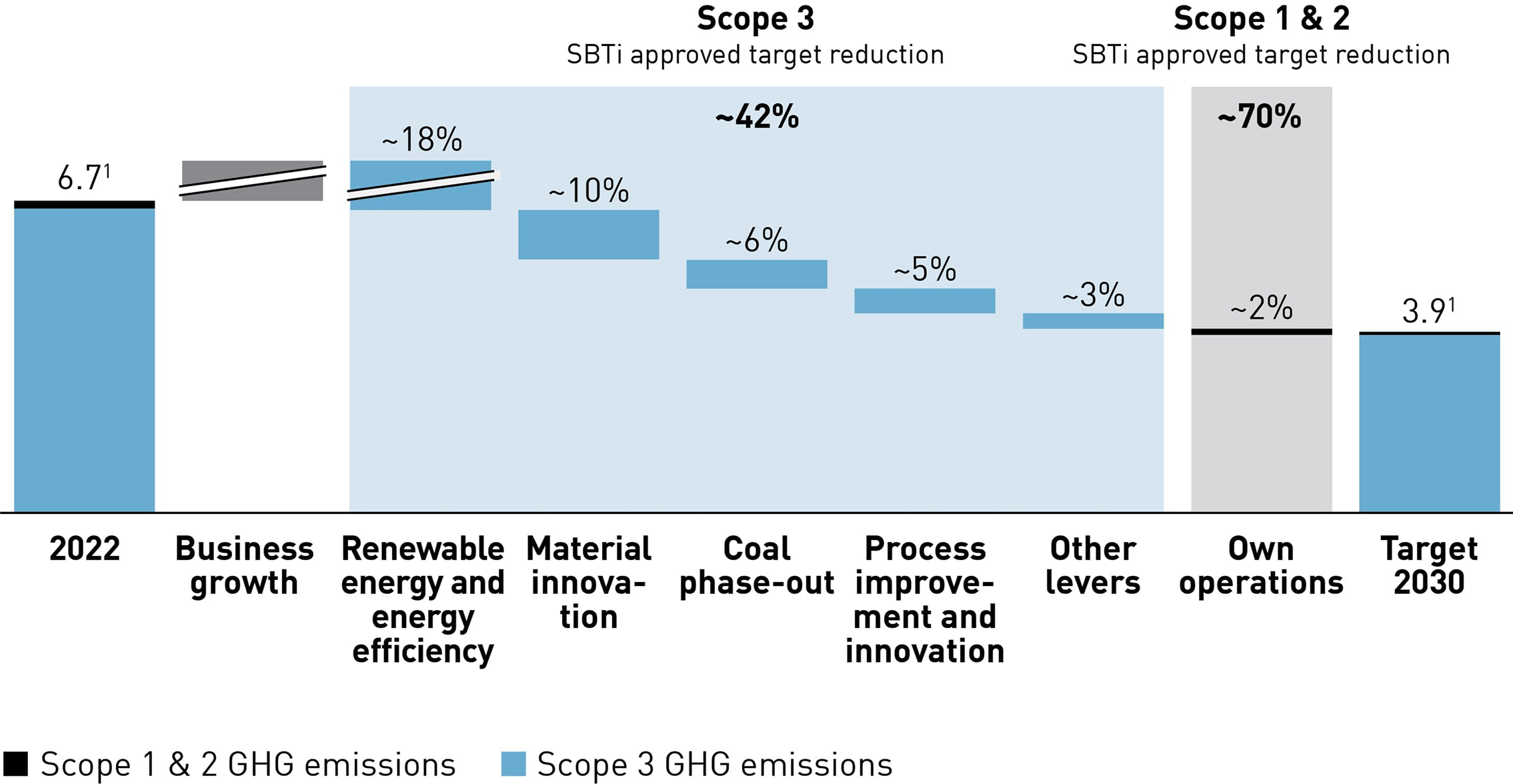
At adidas, we have set ambitious targets and developed a comprehensive roadmap to achieve a meaningful emission reduction. We also recognize the need to address potential additional emissions resulting from business- and production growth to stay on track with our goals.
The chart illustrates our current 2030 emission reductions action roadmap across various areas of our entire business, in line with our science-based near-term targets and summarizes the above explained measures.
Our 2050 ambition
Our approach
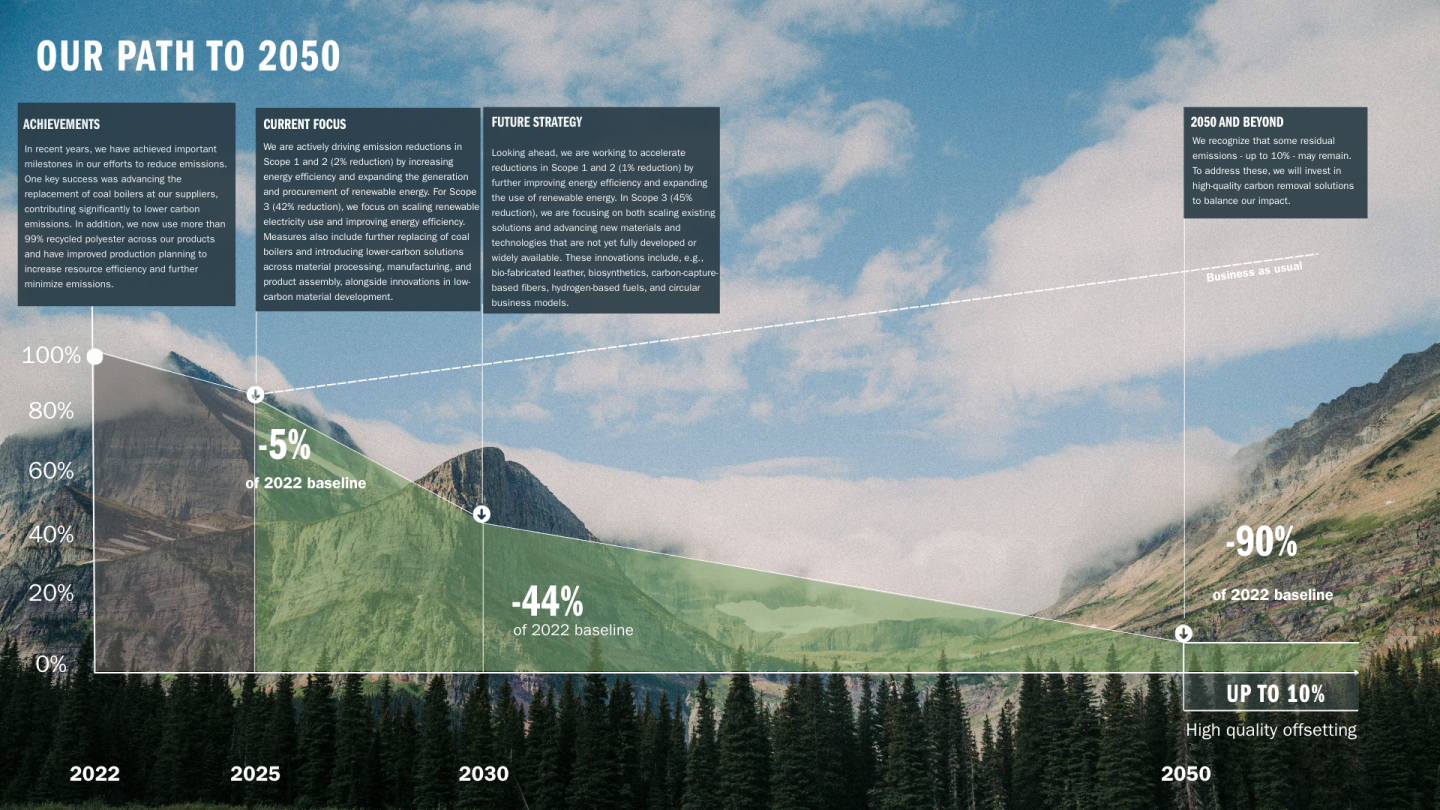
Our long-term emissions SBTi-validated target: aim for a 90% reduction in Scope 1, 2, and 3Scope 1, 2, and 3 GHG emissionsScope 1 GHG emissions are direct GHG emissions from operations owned or controlled by an organization (SBTi, 2025). Scope 2 GHG emissions are indirect GHG emissions associated with the generation of purchased or acquired electricity, steam, heating or cooling consumed by an organization (SBTi, 2025). Scope 3 emissions are indirect GHG emissions (other than those covered in Scope 2) that occur from activities not directly controlled by the organization. adidas includes emissions from the categories purchased goods and services, fuel- and energy-related activities, upstream and downstream transportation and distribution, business travel, end-of-life treatment of sold products and downstream leased assets in its 2030 ambition (SBTi, 2025). absolute greenhouse gas (GHG) emissions by 2050, measured against a baseline of 2022
As we aim towards 2050, we recognize that our long-term ambition will additionally require breakthrough innovations and new technologies that are not yet fully developed or commercially available at scale. While only a small additional reduction will come from further improvements in our Scope 1 and 2 (1%), we expect the majority of reductions to come from our Scope 3 emissions (45%).
Among these reductions, we have identified material and technology levers that we are already familiar with and plan to scale on our path to 2050. These include using renewable energy, scaling recycled and renewable materials, and lower carbon coloration processes. However, we acknowledge that achieving our goals will also depend on the development of new technologies and materials. We cannot yet determine the exact innovations and technologies that will contribute to this 45% reduction or the extent of their impact.
We are aware that there is still a gap that is unknown and heavily reliant on yet-to-be-developed technology. Nevertheless, our plan highlights the key areas and levers we intend to focus on as we work toward our long-term ambition.
We actively explore cutting-edge solutions with the potential to reduce our environmental impact, including, among others, renewable feedstocks like algae-derived materials, carbon capture and utilizationCarbon capture and utilization (CCU)A process in which CO2 is removed from the atmosphere and then used to produce a new material/product (aligned with SBTi, 2025). , lower carbon coloration technologies and alternative energy sources such as hydrogen. Additionally, we are monitoring advancements in textile-to-textile recycling, regenerative agriculture, and innovative business models such as repair services. Our approach involves assessing and investing in scalable innovations, collaborating with industry partners, and adapting to technological and regulatory developments. By balancing immediate actions with long-term innovation, we are aiming to drive meaningful change.
KEY INITIATIVES
As we are aiming for this target, we do not consider the use of offsetsOffset/Carbon offsettingAccording to the Intergovernmental Panel on Climate Change (IPCC) a carbon offset is a reduction of GHG in order to balance out an emission made elsewhere. Essentially, offsetting refers to buying carbon credits which are tradable units of reduced GHG emissions from projects outside an organization‘s operations (IPCC). However, it’s important to note that buying these credits doesn't actually reduce the emissions created by the original activity—it's just compensating for them by funding projects that cut emissions elsewhere. In other words, carbon offsetting doesn’t directly lower the emissions from the activity you’re trying to offset. , instead we are focusing on the following key initiatives:
Scope 1 & 2 Initiatives (3% reduction)
- Powering up on renewable energy (RE): (2,9% reduction)
- Improving energy efficiency (EE): (0,1% reduction)
Scope 3 Initiatives (87% reduction)
- Renewable energy (RE) and energy efficiency (EE) (18% reduction)
- Material innovation (10% reduction).
- Phasing out coal (6% reduction).
- Driving process Improvement and Innovation (5% reduction).
- Other decarbonization levers (3% reduction).
- Innovations and technologies not yet fully developed (45% reduction).
Our net-zeroNet-zeroNet-zero emissions are achieved when the amount of greenhouse gases (GHGs) released into the atmosphere by human activities equals the amount of GHGs removed from the atmosphere over a specified period of time (aligned with IPCC, 2018). ambition
According to the IPCC (2018), net-zero emissions are achieved when human-caused GHG emissions are balanced by removing the same quantity of emissions from the atmosphere over a specified period of time. Put simply, net zero emissions mean that the amount of greenhouse gases we emit into the atmosphere is equal to the amount we remove.
Beyond our 90% target, we consider neutralizing the remaining (up to 10%) of our absolute emissions for which reduction actions aren’t viable. In line with SBTi, we will neutralize (offsetOffset/Carbon offsettingAccording to the Intergovernmental Panel on Climate Change (IPCC) a carbon offset is a reduction of GHG in order to balance out an emission made elsewhere. Essentially, offsetting refers to buying carbon credits which are tradable units of reduced GHG emissions from projects outside an organization‘s operations (IPCC). However, it’s important to note that buying these credits doesn't actually reduce the emissions created by the original activity—it's just compensating for them by funding projects that cut emissions elsewhere. In other words, carbon offsetting doesn’t directly lower the emissions from the activity you’re trying to offset.) these remaining emissions through high-quality permanent carbon removal solutions. We will ensure that we invest only in certified high-quality projects that will ensure additionality, permanence, exclusivity and with environmental and social safeguards.

Our aim for 2050 requires collective action
Our climate action efforts extend beyond our direct business activities to include advocacy work and community engagement initiatives.

SHAPING THE REGULATORY ENVIRONMENT
adidas collaborates with industry associations and organizations to support government policies that accelerate the energy transition, including those related to PPAs and rooftop solar projects.

COLLABORATING AT INDUSTRY LEVEL
adidas is a member of the UNFCCC Fashion Industry Charter for Climate Action Steering Committee and the Fashion Pact, both focused on enabling suppliers to adopt renewable energy and advocating for stronger energy policies. We are also a member of Fashion for Good (FFG) to help identify and scale innovations in materials and production processes for the industry. As a member and ESG Committee chair of the World Federation of the Sporting Goods Industry (WFSGI), adidas helps shape the WFSGI decarbonization strategy and roadmap, supporting the industry’s collective decarbonization efforts.

ADVOCACY AND ‘JUST TRANSITION’
We aim to contribute to a net-zero future by creating pathways that are inclusive, equitable, and just. This means empowering communities, protecting workers' rights, and fostering sustainable opportunities (a ‘just transition’). To achieve this, we collaborate with a range of external stakeholders, including athletes, sports organizations, and civil society partners, to support community-based initiatives that strengthen resilience and promote sustainability through sport.
Our journey to net-zero (including up to 10% through offsetting) is an ambition for which we still don’t have all the answers. We are dedicated to minimizing our emissions and continuously seeking innovative solutions, while remaining committed to transparency, collaboration and progress.
CDP RATING
For the second consecutive year, adidas has been named to the CDP Climate A List, placing us among the top 4% of companies scored globally. This repeat recognition reflects continued implementation of our decarbonization measures and transparent reporting across our operations and value chain. Maintaining the score signals that climate governance and emissions reduction are embedded in how we run our business.
Forward-looking statements
Our website contains forward-looking statements that reflect Management’s current view with respect to the future development of our company. The outlook is based on estimates that we have made on the basis of all the information available to us at the time of completion of this text. In addition, such forward-looking statements are subject to uncertainties that are beyond the control of the company. In case the underlying assumptions turn out to be incorrect or described risks or opportunities materialize, actual results and developments may materially deviate (negatively or positively) from those expressed by such statements.
Climate Glossary
Climate Glossary
The climate glossary offers definitions for key terms related to our Climate Action plan, drawing from widely recognized organizations and institutions, such as the Science Based Targets initiative (SBTi), which provides the framework for our science-based climate targets. While not exhaustive, the list aims to clarify the most important terms used in the context of our climate strategy.
Absolute emissions: Absolute emissions refer to the total amount of greenhouse gases (GHGs) released by an organization, measured in mass or tons of carbon dioxide equivalent (CO2e) (aligned with SBTi, 2025).
Carbon capture and utilization (CCU): A process in which CO2 is removed from the atmosphere and then used to produce a new material/product (aligned with SBTi, 2025).
Carbon dioxide equivalent (CO2e): Carbon dioxide equivalent (CO2e) is the universal unit to compare the impact of different greenhouse gases (GHGs) on global warming. It reflects how much each GHG contributes to atmospheric harm in relation to carbon dioxide. Converting emissions from gases other than CO2 into CO2e units allows for easier comparison of their effects as well as understand the overall effect of GHG emissions on the climate (aligned with IPCC, 2025).
CDP: CDP is a global non-profit organization providing an environmental disclosure system for companies, capital markets, cities, states, and regions. Investors and purchasers, along with policymakers around the globe, use this self-reported data and insights to make better-informed decisions (CDP, 2025).
Energy attribute certificates (EACs): Energy attribute certificates (EACs) are contractual instruments that certify the production of renewable and/or low carbon energy (aligned with EPA, 2025).
Entire business: For the scope of carbon accounting, we use the term 'entire business' in relation to all activities as defined under our Scope 1, 2 and 3. This covers all activities related to our own operations and our products.
Greenhouse gas (GHG) emissions: Greenhouse gas (GHG) emissions are gases that trap heat in the Earth's atmosphere, a process called the greenhouse effect. Human activities, such as burning fossil fuels, increase the release of these gases, contributing to global warming and climate change (IPCC, 2018).
Just Transition: A set of principles, processes, and practices that aim to ensure that no people, workers, places, sectors, countries, or regions are left behind in the transition from a high-carbon to a low- carbon economy (IPCC, 2022).
Lower-carbon fibers/materials/processes: Fibers, materials or processes that generate lower levels of CO2e when compared to the conventional method of production (aligned with Textile Exchange, 2023).
Net-zero: Net-zero emissions are achieved when the amount of greenhouse gases (GHGs) released into the atmosphere by human activities equals the amount of GHGs removed from the atmosphere over a specified period of time (aligned with IPCC, 2018).
Offset/Carbon offsetting: According to the Intergovernmental Panel on Climate Change (IPCC) a carbon offset is a reduction of GHG in order to balance out an emission made elsewhere. Essentially, offsetting refers to buying carbon credits which are tradable units of reduced GHG emissions from projects outside an organization‘s operations (IPCC). However, it’s important to note that buying these credits doesn't actually reduce the emissions created by the original activity—it's just compensating for them by funding projects that cut emissions elsewhere. In other words, carbon offsetting doesn’t directly lower the emissions from the activity you’re trying to offset.
Power Purchase Agreement (PPA): Power Purchase Agreements (PPAs) are long-term energy supply agreements concluded directly between a power consumer and a power producer, frequently renewable energy generators. By providing renewable electricity at mutually agreed rates, these contracts foster stability for both parties and promote the adoption of renewable energy sources. There are two main PPA variants:
- PPAs (Power Purchase Agreement): The electricity produced is delivered to the buyers physically.
- VPPAs (Virtual Power Purchase Agreement): An intermediary utility company handles the transfer of money and energy to and from the power producer on behalf of the buyer (RE100, 2022).
Recycled materials: Recycled materials are reprocessed from recovered materials using a manufacturing process. Recycled materials are incorporated into materials, components or products (aligned with ISO 5157).
Regenerative agriculture: Regenerative agriculture refers to holistic farming systems that, among other benefits, improve water and air quality, enhance ecosystem biodiversity, produce nutrient-dense food, and store carbon to help mitigate the effects of climate change (FAO, 2025).
Renewable energy: Renewable energy refers to energy from sources that replenish (or renew) themselves naturally (RE100, 2022). At adidas, the following sources are considered renewable energy sources: solar, wind, sustainably sourced biomass (incl. biogas), geothermal, sustainably generated hydropower.
Renewable materials: Renewable materials are composed of biomass and can naturally be replenished (Textile Exchange).
Science-based targets (SBTs): Corporate targets to reduce GHG emissions that are in line with what the latest climate science says is necessary to meet the goals of the Paris Agreement – to pursue efforts to limit warming to 1.5°C (SBTi, 2025).
Science Based Targets initiative (SBTi): The Science Based Targets initiative (SBTi) is a corporate climate action organization that enables companies and financial institutions worldwide to play their part in combating the climate crisis. It develops standards, tools, and guidance which allow companies to set greenhouse gas (GHG) emission reduction targets in line with what is needed to keep global heating below catastrophic levels and reach net-zero by 2050 at the latest (SBTi, 2025).
Scope 1 GHG emissions: Scope 1 GHG emissions are direct GHG emissions from operations owned or controlled by an organization (SBTi, 2025).
Scope 2 GHG emissions: Scope 2 GHG emissions are indirect GHG emissions associated with the generation of purchased or acquired electricity, steam, heating or cooling consumed by an organization (SBTi, 2025).
Scope 3 GHG emissions: Scope 3 emissions are indirect GHG emissions (other than those covered in Scope 2) that occur from activities not directly controlled by the organization. adidas includes emissions from the categories purchased goods and services, fuel- and energy-related activities, upstream and downstream transportation and distribution, business travel, end-of-life treatment of sold products and downstream leased assets in its 2030 ambition (SBTi, 2025).
Tier 1 suppliers: Tier 1 suppliers to adidas are suppliers responsible for the assembly of products, such as sewing t-shirts or assembling shoes.
Tier 2 suppliers: Tier 2 suppliers to adidas are suppliers processing materials and manufacturing product parts, such as molding shoe soles.
Climate Action
The climate crisis is one of the greatest challenges of our time, and managing its impacts for our business operations is a strategic priority for adidas. As a global sports brand, we are adapting our business, reducing our own operations’ footprint and driving innovation – all with the ambition to mitigate our impact.
Climate Action
The climate crisis is one of the greatest challenges of our time, and managing its impacts for our business operations is a strategic priority for adidas. As a global sports brand, we are adapting our business, reducing our own operations’ footprint and driving innovation – all with the ambition to mitigate our impact.