

Creativity Unbound: Our MakerLab Celebrates Its 10th Anniversary
What started as a blank canvas has evolved to become a space and a community that brings creative ideas to life.

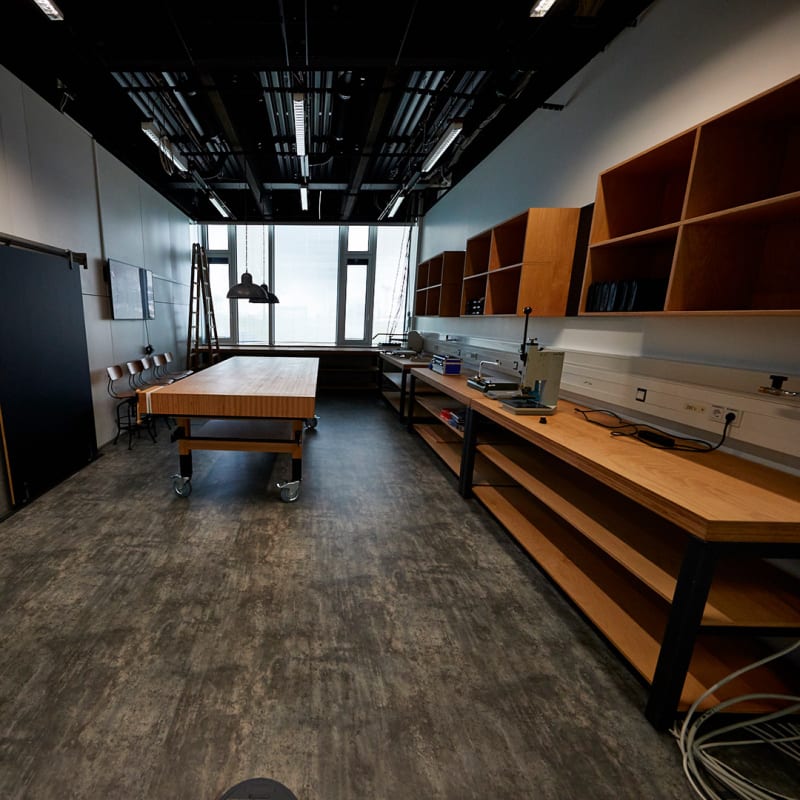
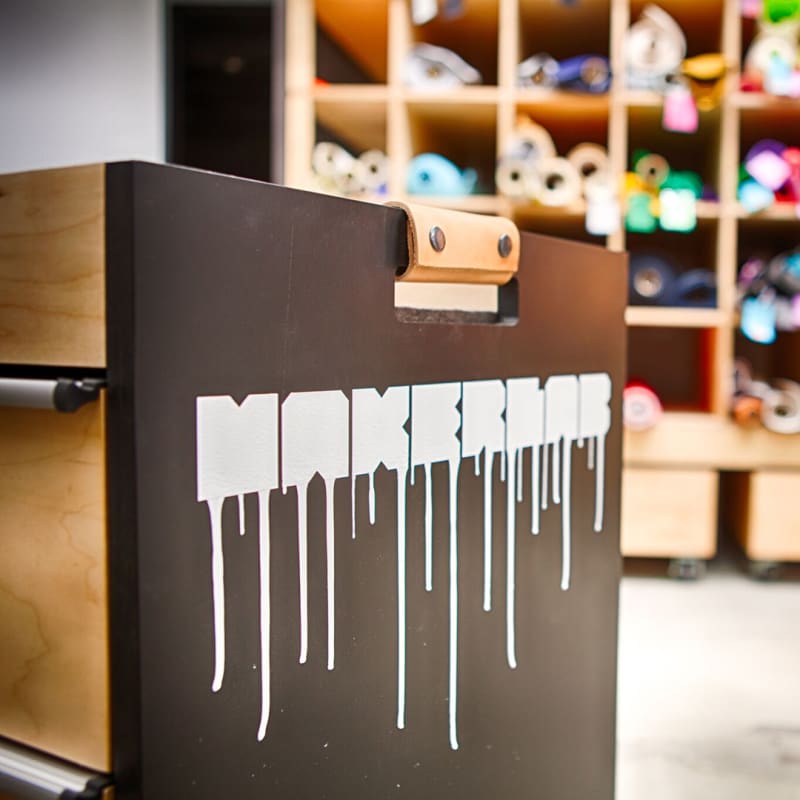
In 2016, the MakerLab opened its doors across several locations, each with one very clear mandate: To offer a space where adidas employees had the freedom to create.
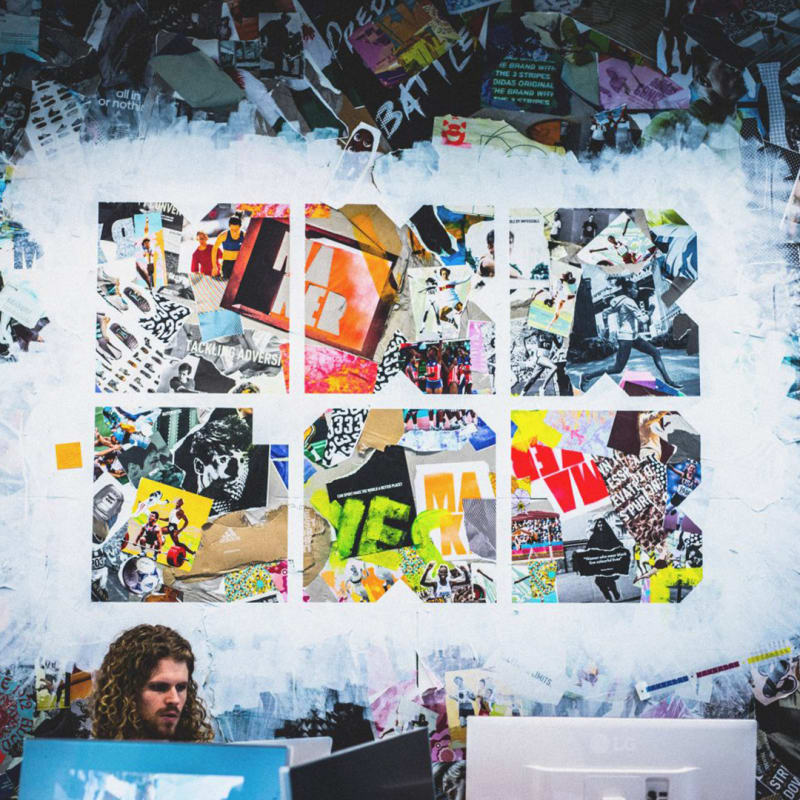
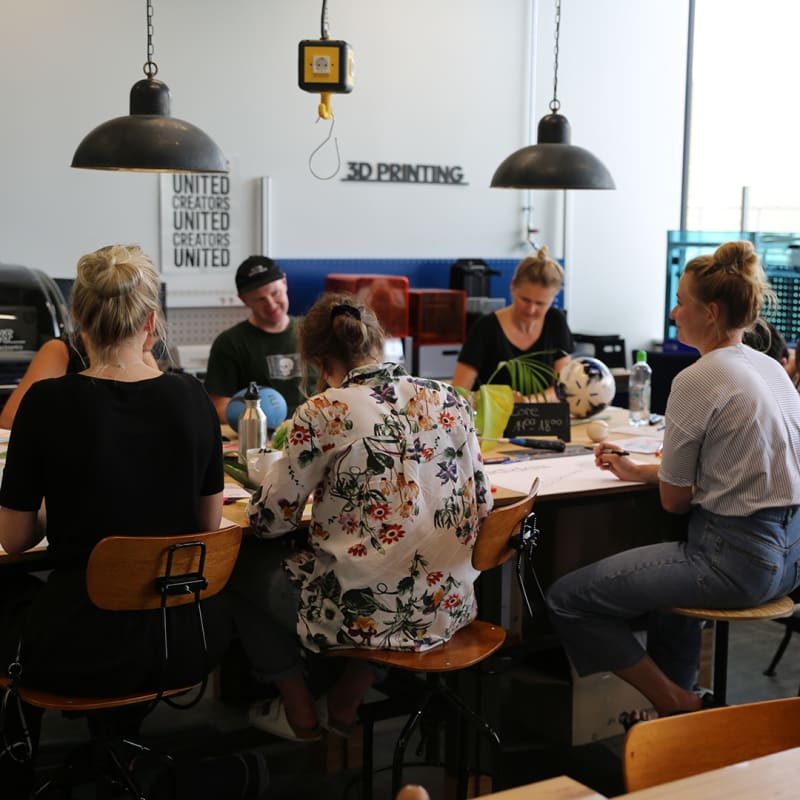
Since then, the MakerLab has become a catalyst for turning ideas into reality. What started out ten years ago as just a physical space has become a living, creative ecosystem, enabling innovation through prototyping, workshops, exhibitions, collaborations, activations, experiments, and conversations. And while tools and technologies have changed, the core philosophy remains the same today as it was on its very first day: making is how we learn.
PART ONE | BUILDING THE FOUNDATION 2016 – 2018
2016: The Beginning
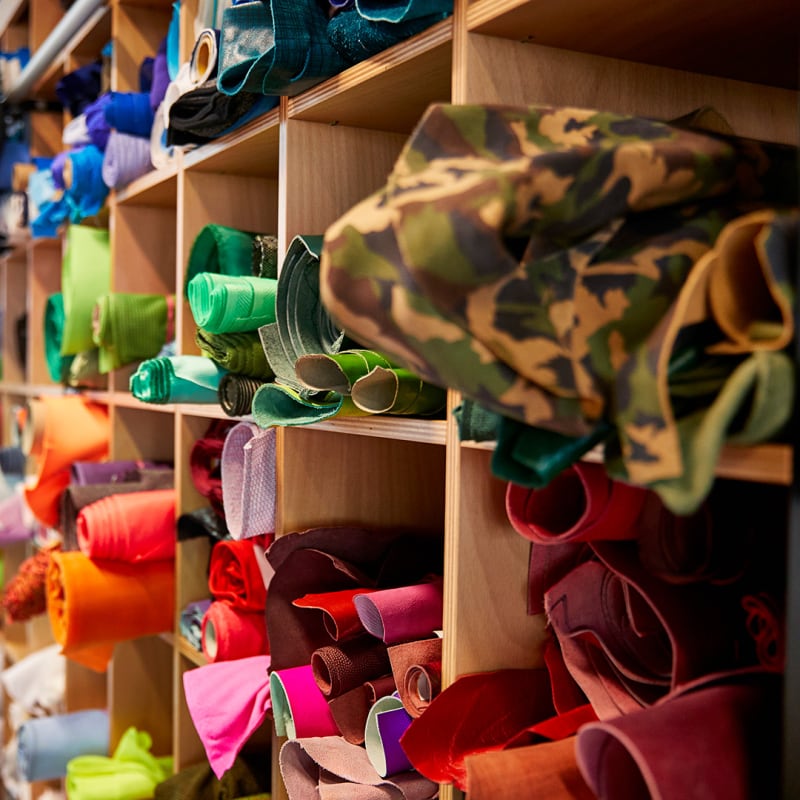
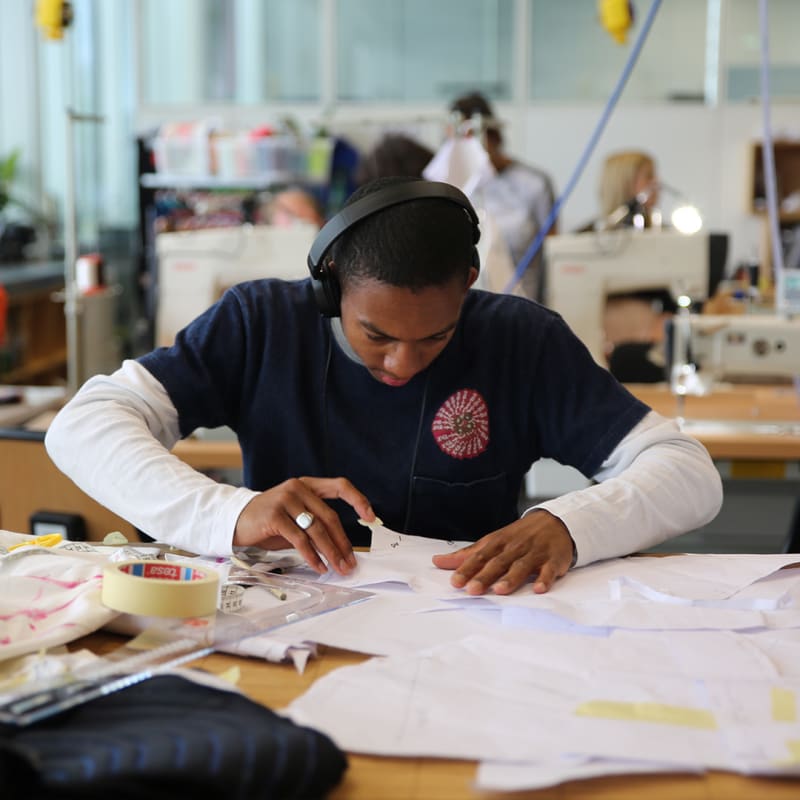
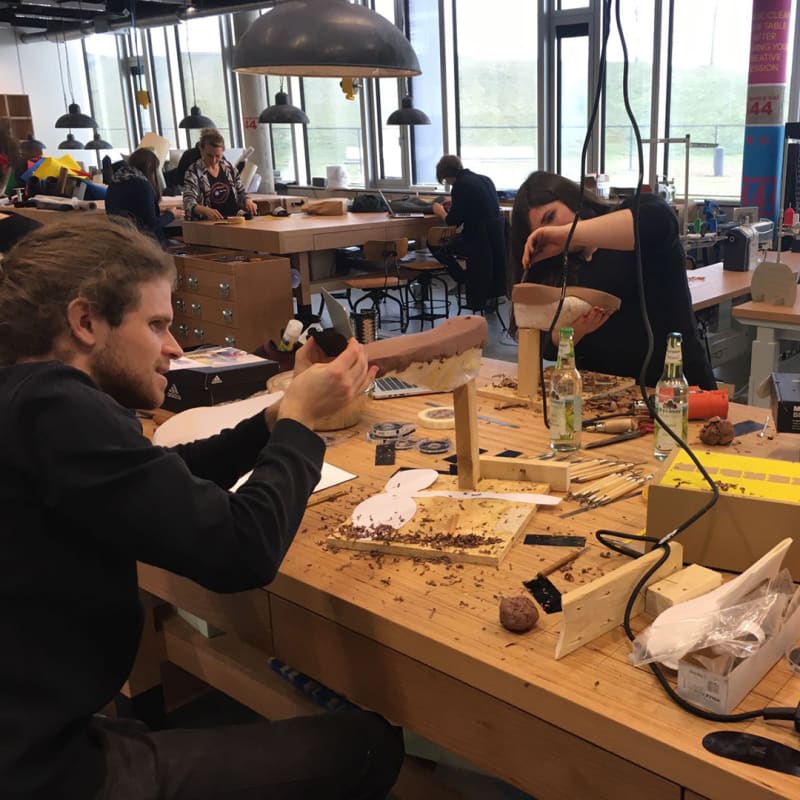
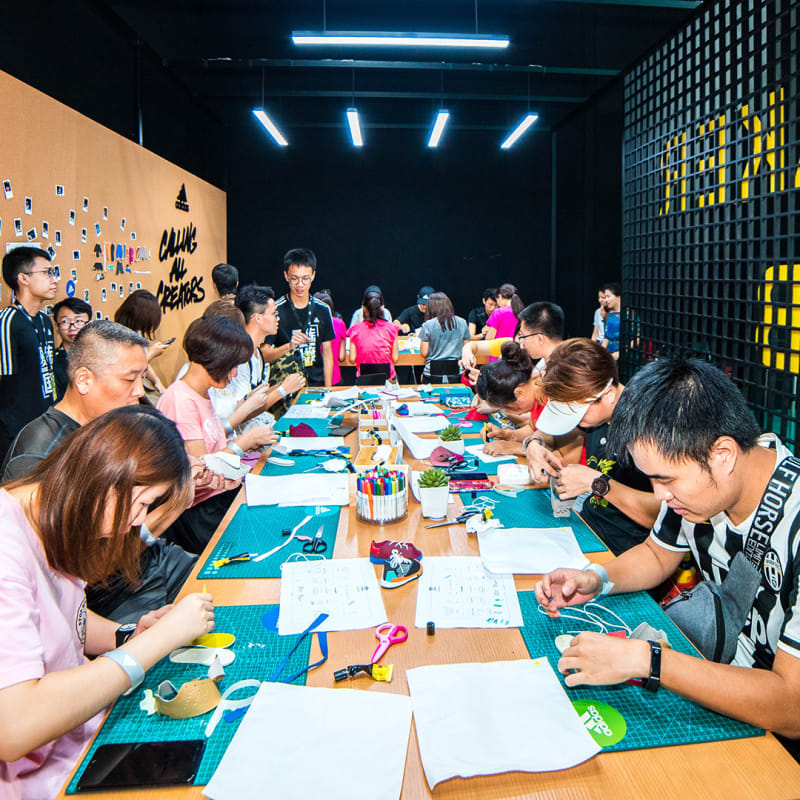
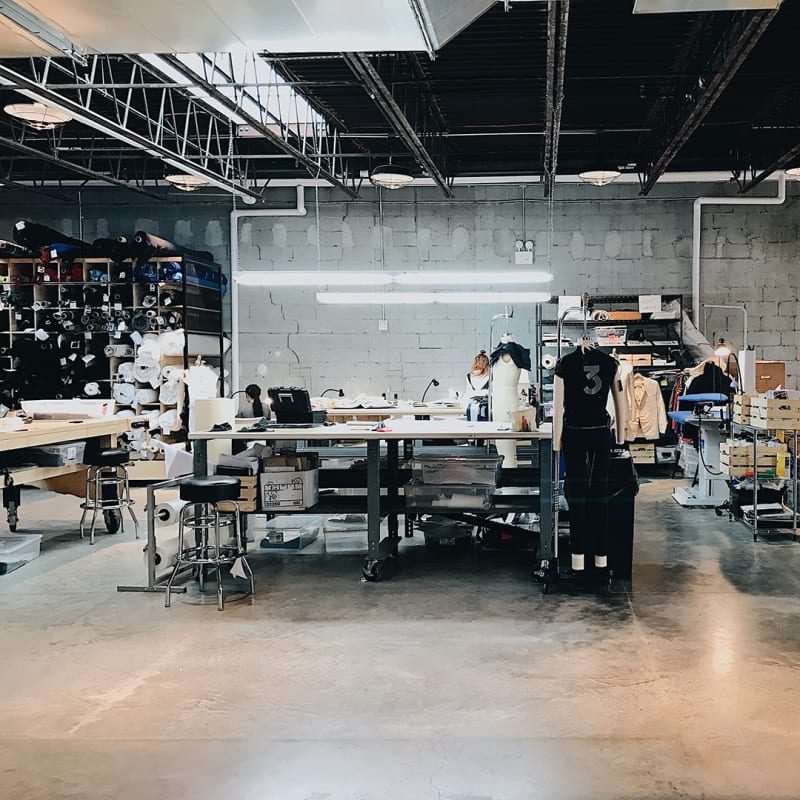
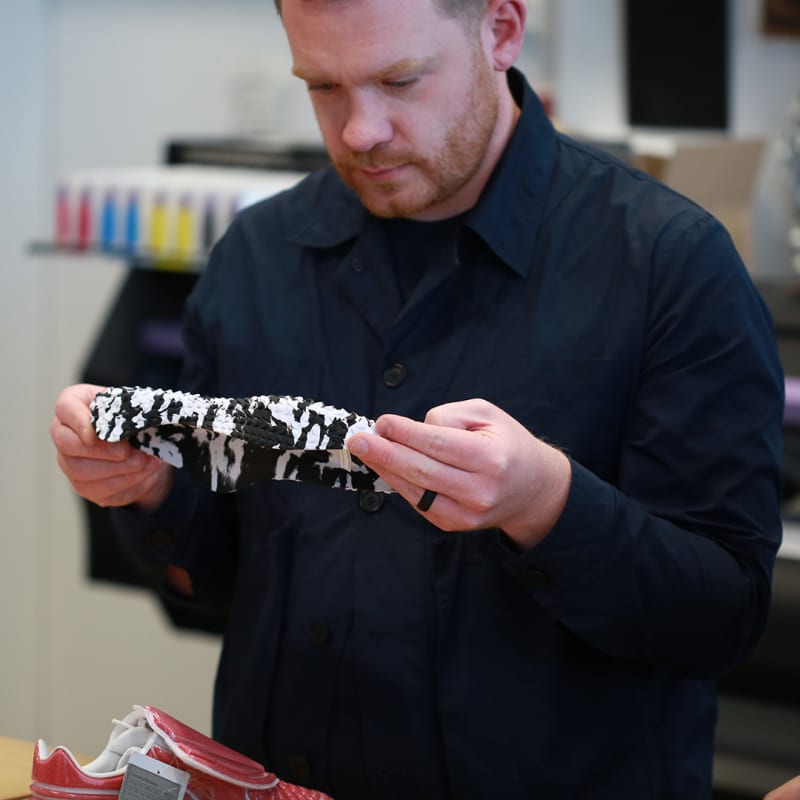
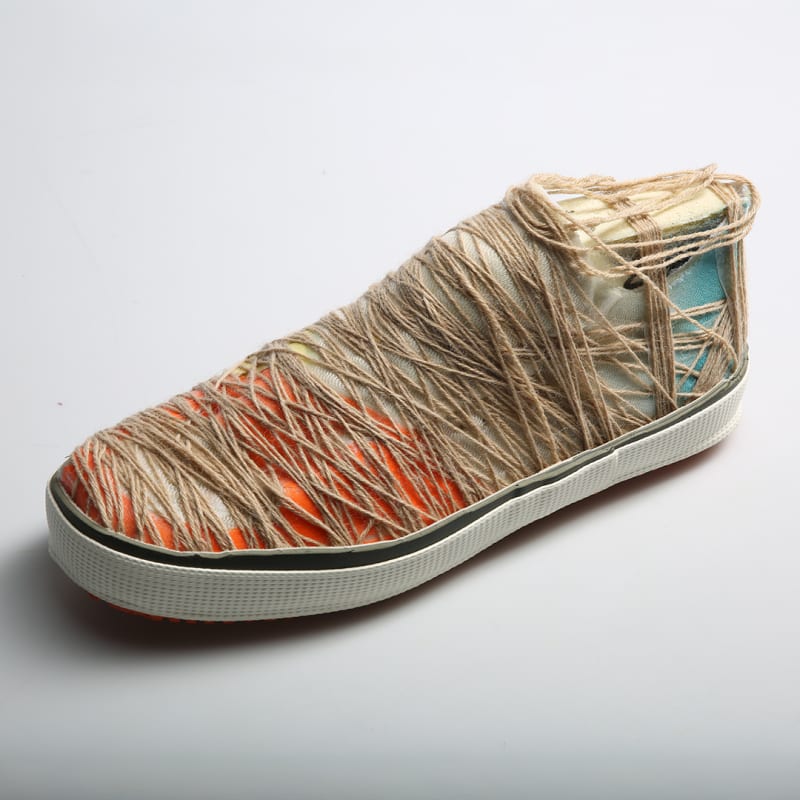
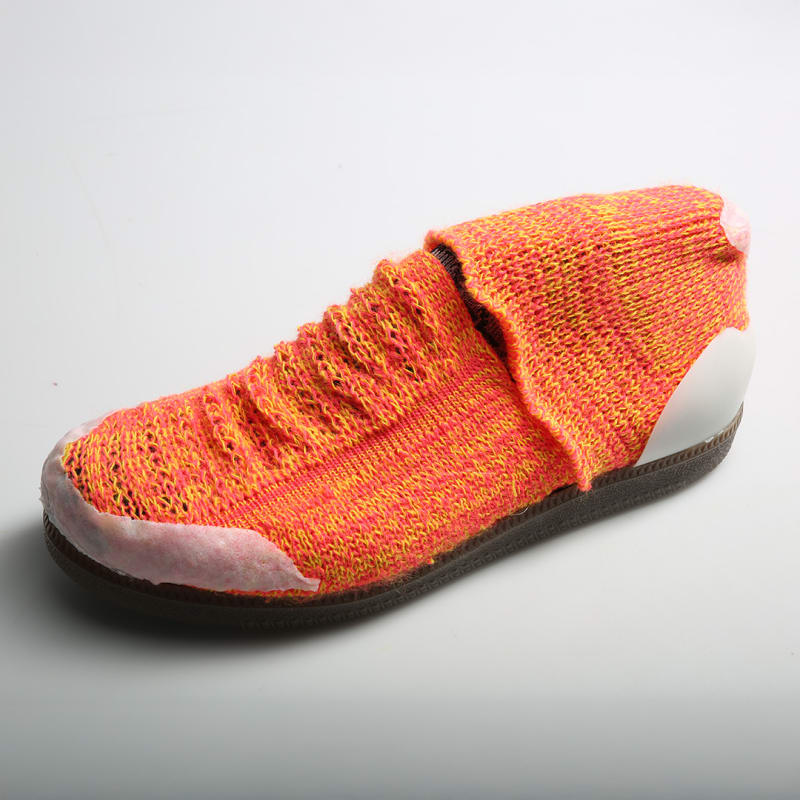
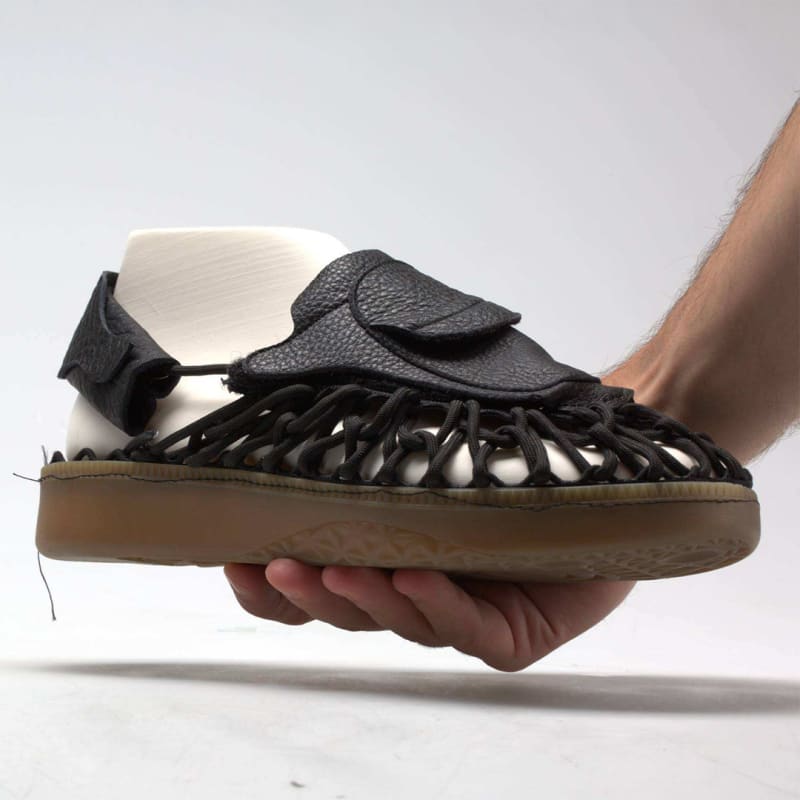
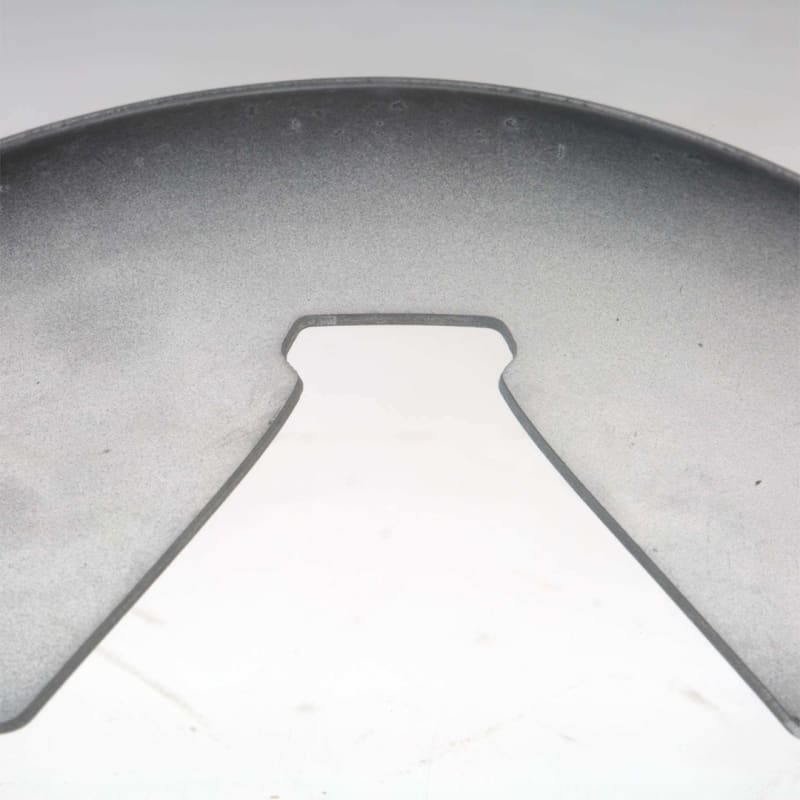
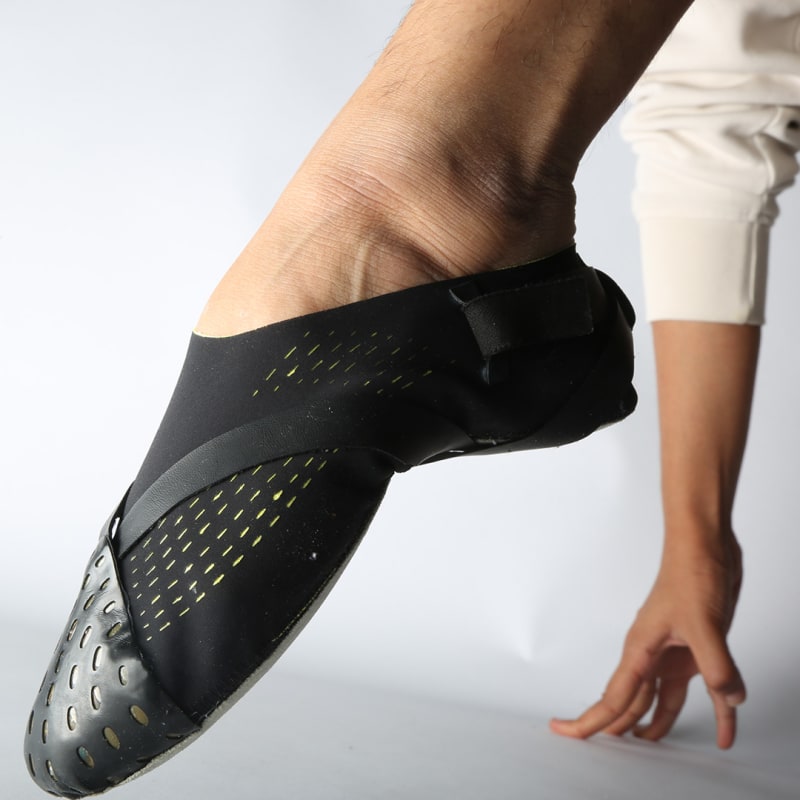
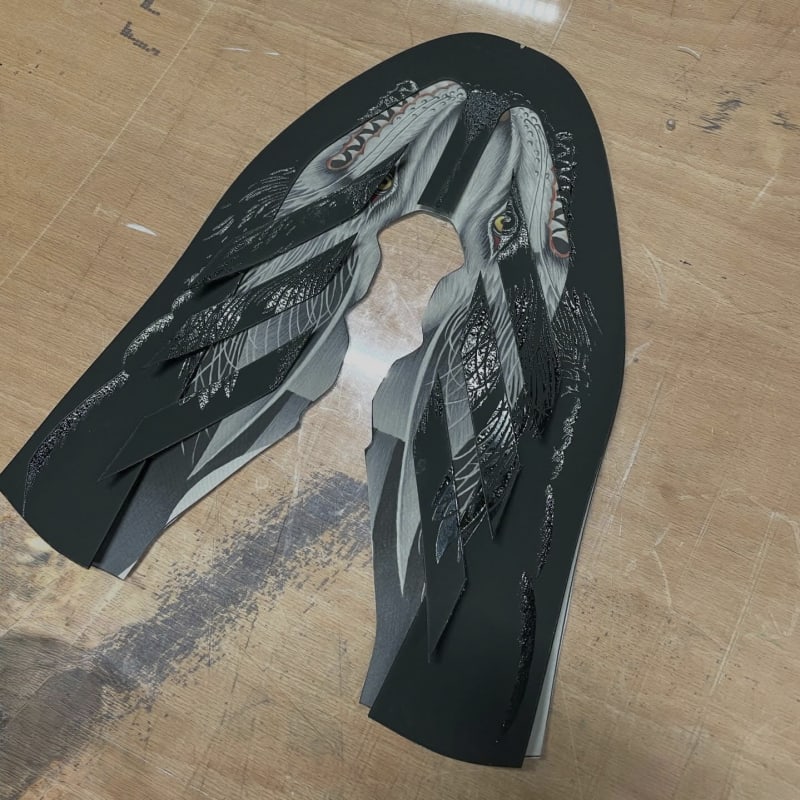
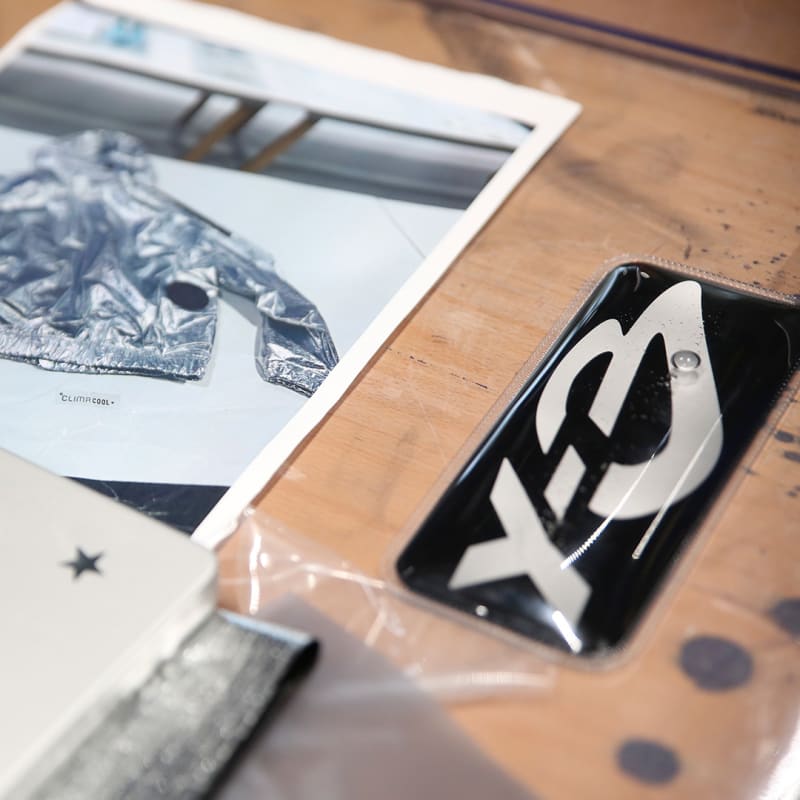
The MakerLab quickly established itself as a creative space where ideas can move beyond presentations and become physical experiences. From day one, the mission was simple: give creators access to tools, methods, and opportunities to learn through making: Design thinking workshops with a focus on products. Material workshops that explored knitting, weaving, embroidering, and printing. Machine workshops covering everything from laser-cutting to 3D printing. Shoemaking workshops, software training… And the list continues to grow.
2017: Building a Maker Culture
As more people discovered the lab, the space became more than just a workshop with tools and materials. It became a community. Designers, developers, engineers, and makers came together around a shared belief: making helps us learn faster. MakerLab became a place for experimentation, collaboration, and curiosity. People started to share their knowledge and skills, and were gifted in return with those of others.
2018: Ideas Everyone Can Touch
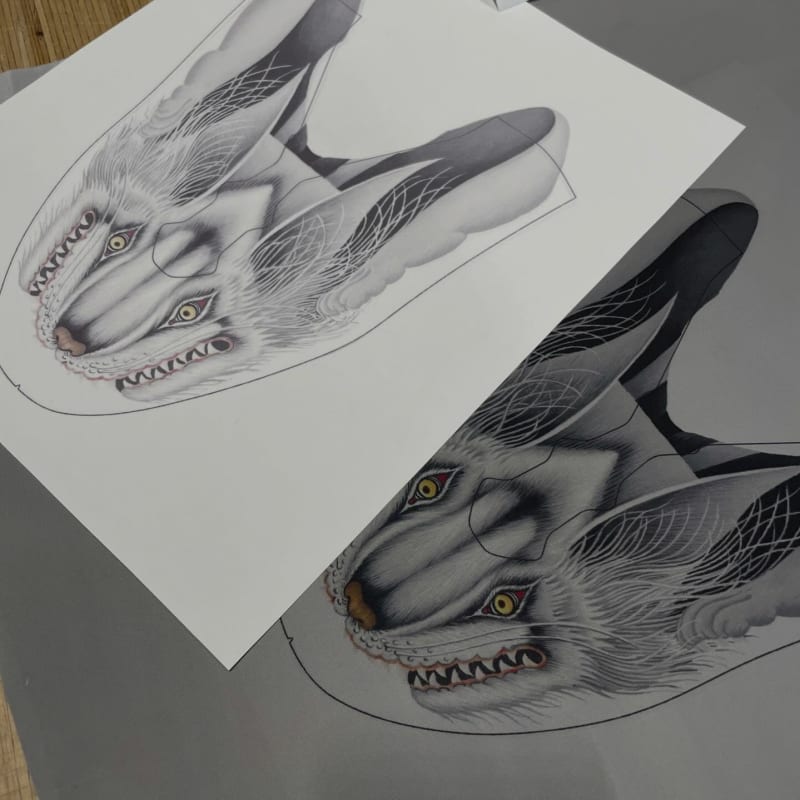
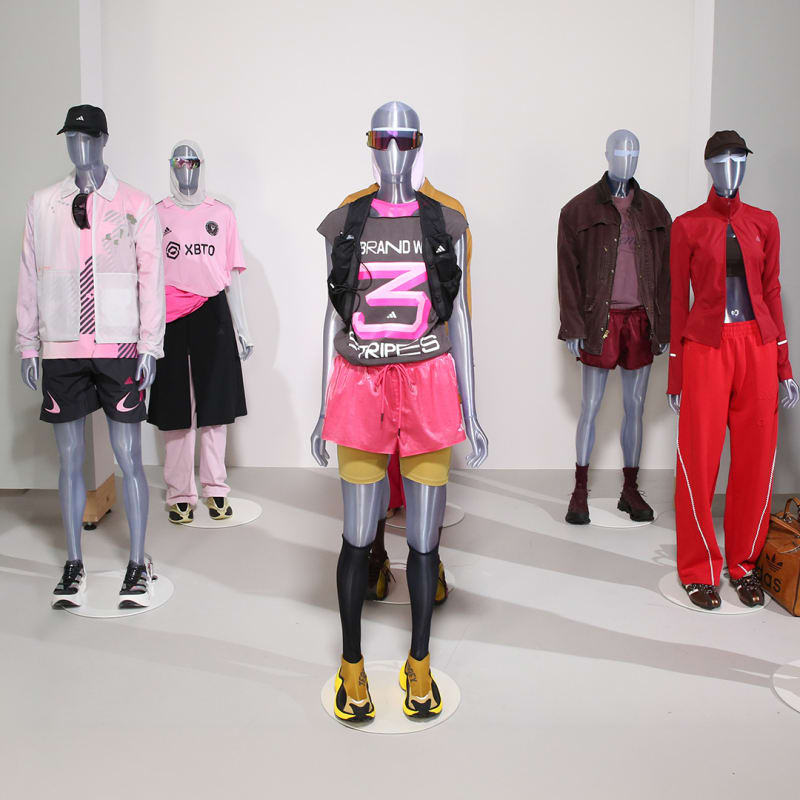
While creative explorations continued to spring to life, the MakerLab became the platform for early Makerphase exhibitions – the very first translations of our brand’s creative direction into tangible product concepts.

PART TWO | MAKING INNOVATION VISIBLE 2019 – 2021
2019: The Turning Point
In 2019, the MakerLab expanded its scope to support brand-driven projects. With a sharpened purpose, the mission centered on three principles: Empower, Inspire, Connect. While remaining true to the concept of stimulating creativity for all, a stronger focus on delivering products for the consumer arose.
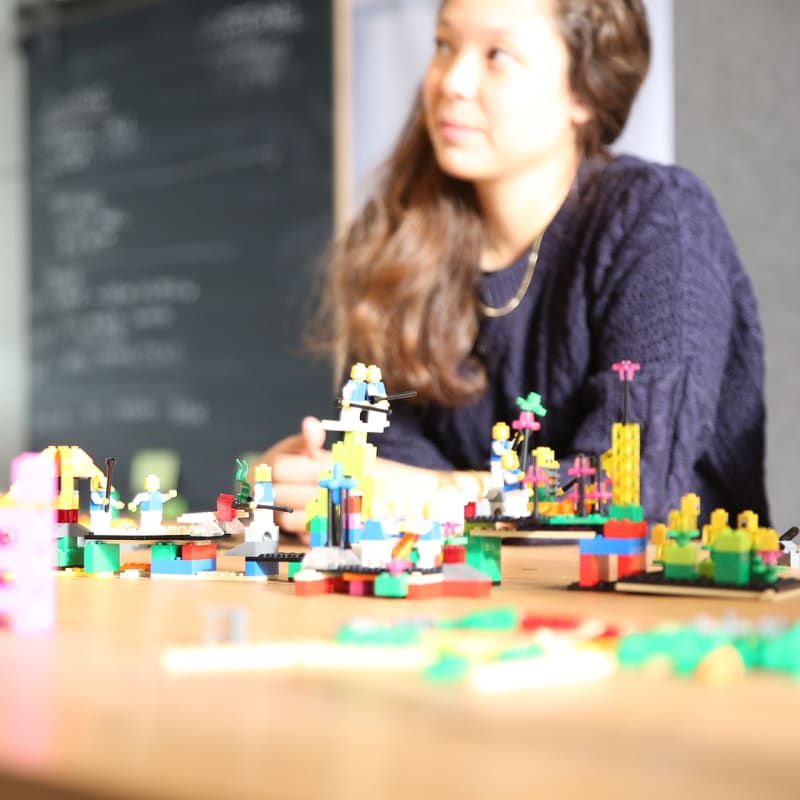
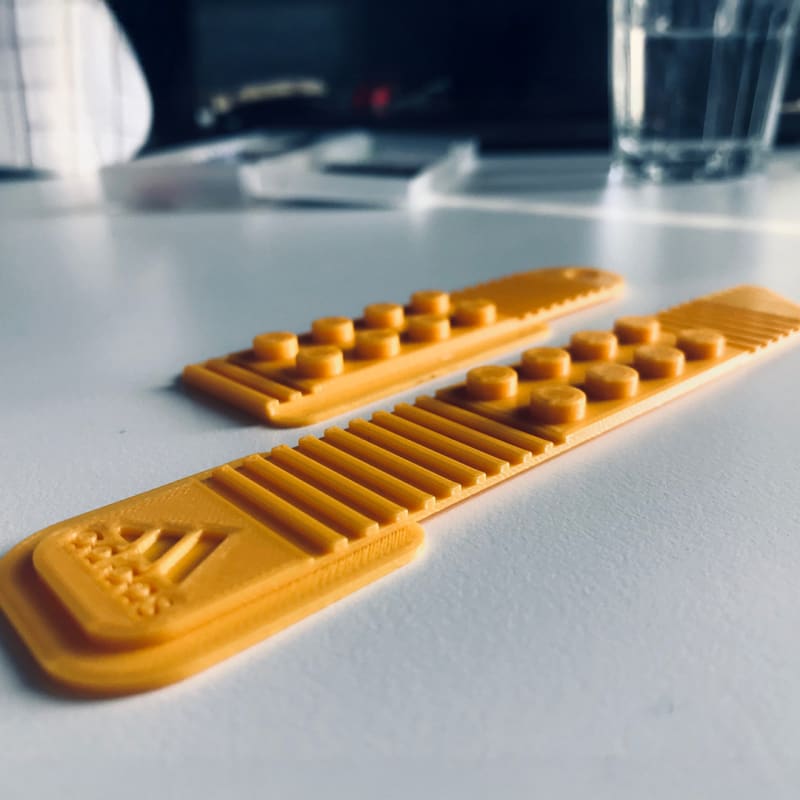
The first of many collaborative workshops highlighted the endless possibilities through which the MakerLab could make a difference saw two iconic brands, adidas and LEGO join forces to explore play, creativity, self-expression, and innovation. The project demonstrated MakerLab’s unique role as a facilitator of co-creation.
Also in 2019, during a time when adidas was exploring the potential of Speedfactory technologies, ‘Hack the Factory’ brought together creators from apparel, footwear, accessories, engineering, and product development into one space. While the Speedfactory concept never took off in the way it was initially intended, these sessions demonstrated how cross-functional collaboration can unlock new creative possibilities.
2020: A Platform for Change
MakerLab evolved from helping people to make things to helping people work differently.
During this period, MakerLab formalized collaborative frameworks, training modules, and workshop methodologies that enabled innovation to become more scalable and accessible. Projects such as Alexander Wang and Craig Green collaborations, as well as community-focused initiatives, demonstrated the breadth of MakerLab influence.
2021: Design for Everyone
Adaptive Design became one of the most meaningful chapters in MakerLab history. Focusing on the needs of athletes with disabilities, the initiative explored inclusive design, athlete-centered research, and accessibility through the guiding principle: Thought for a few, therefore for all. This project demonstrated how MakerLab can help explore not only how products are made, but whom products serve.





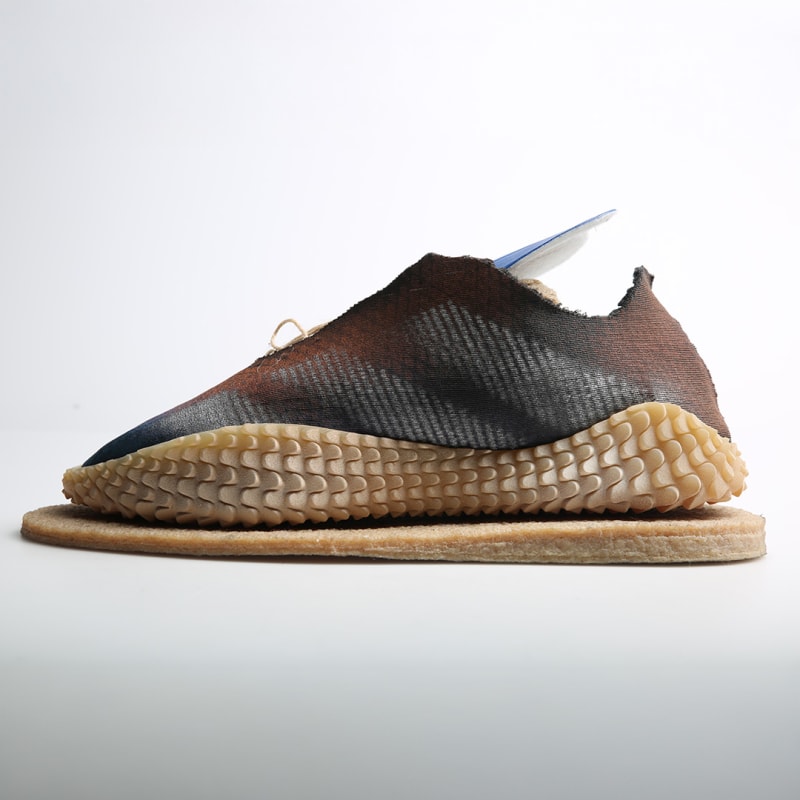
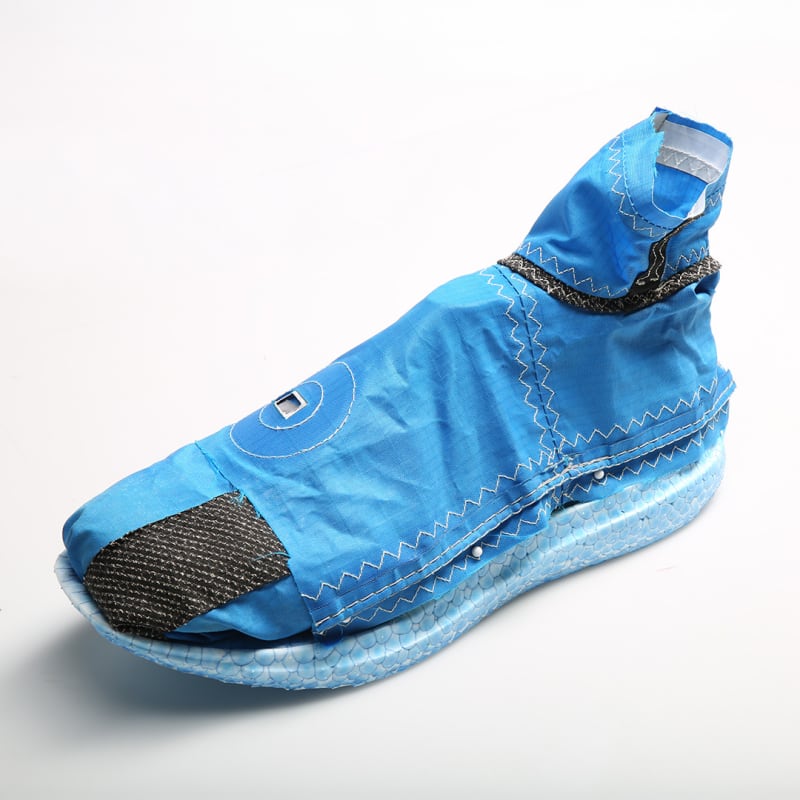
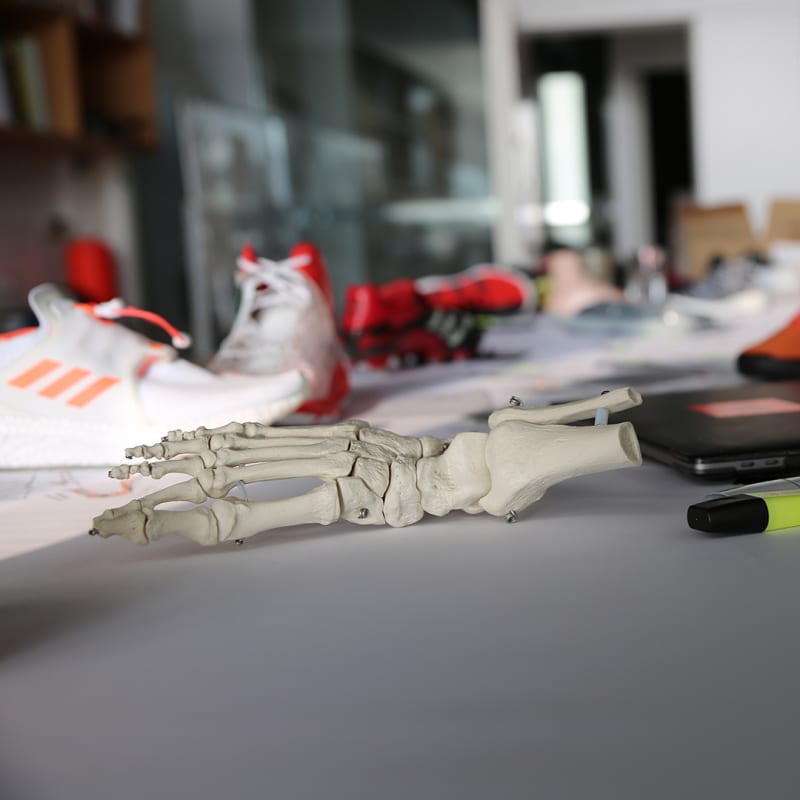
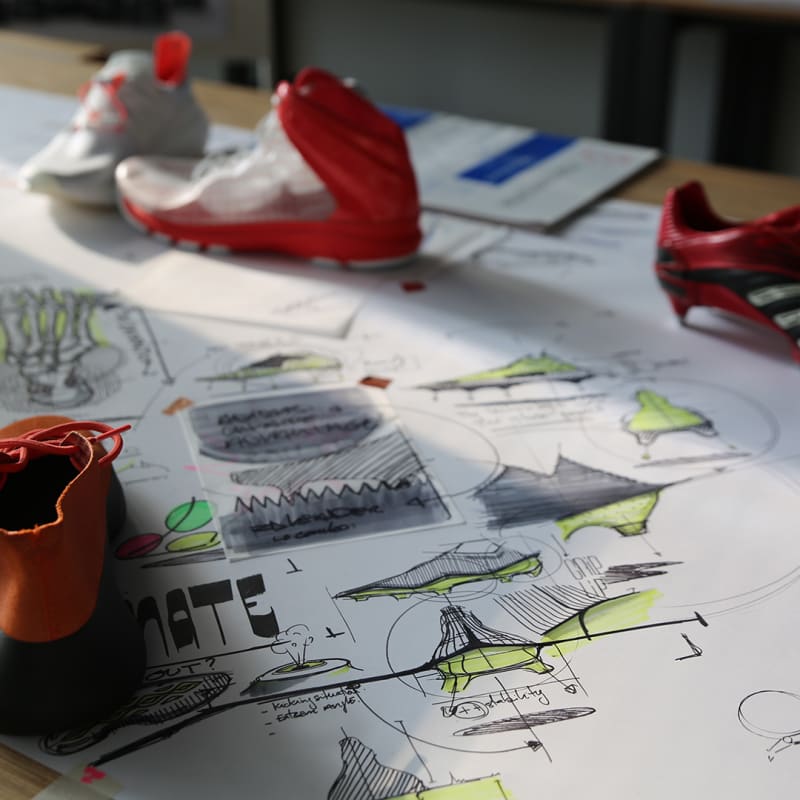

PART THREE | SCALING CREATIVITY 2022 – 2025
2022-2024: From Pixels to Prototypes
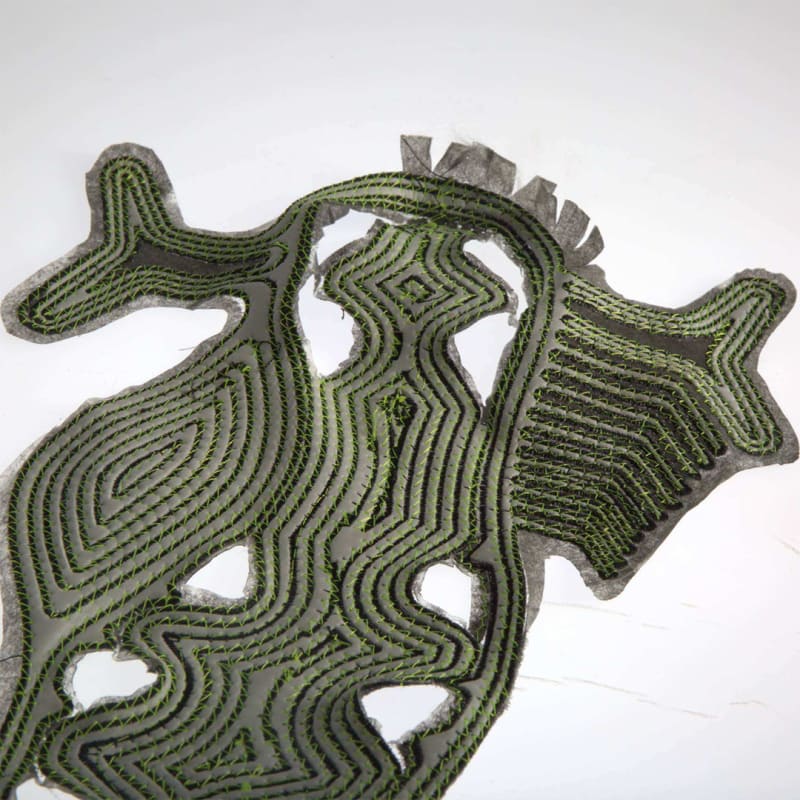
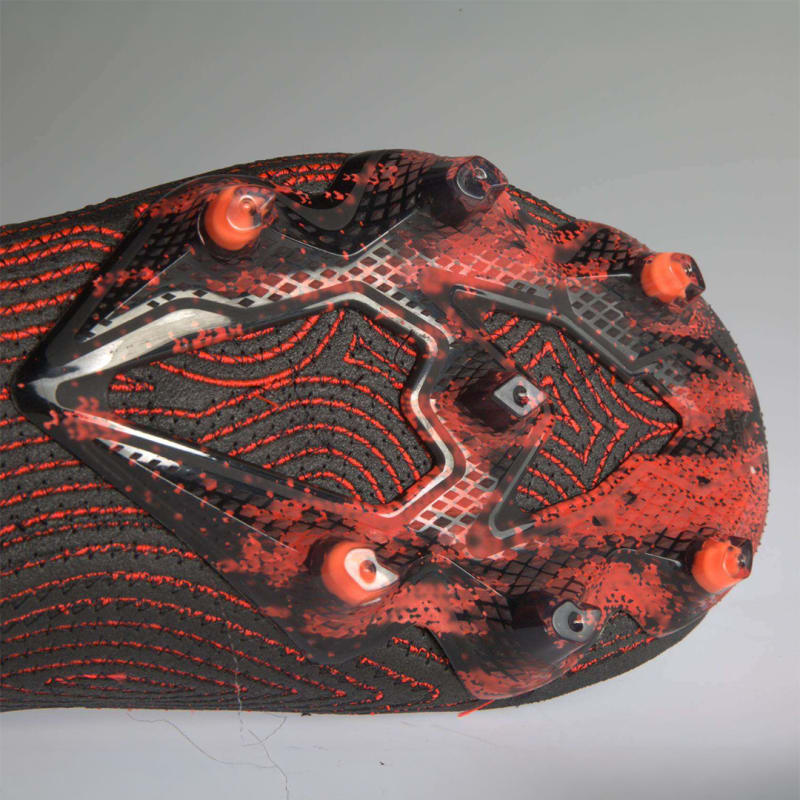
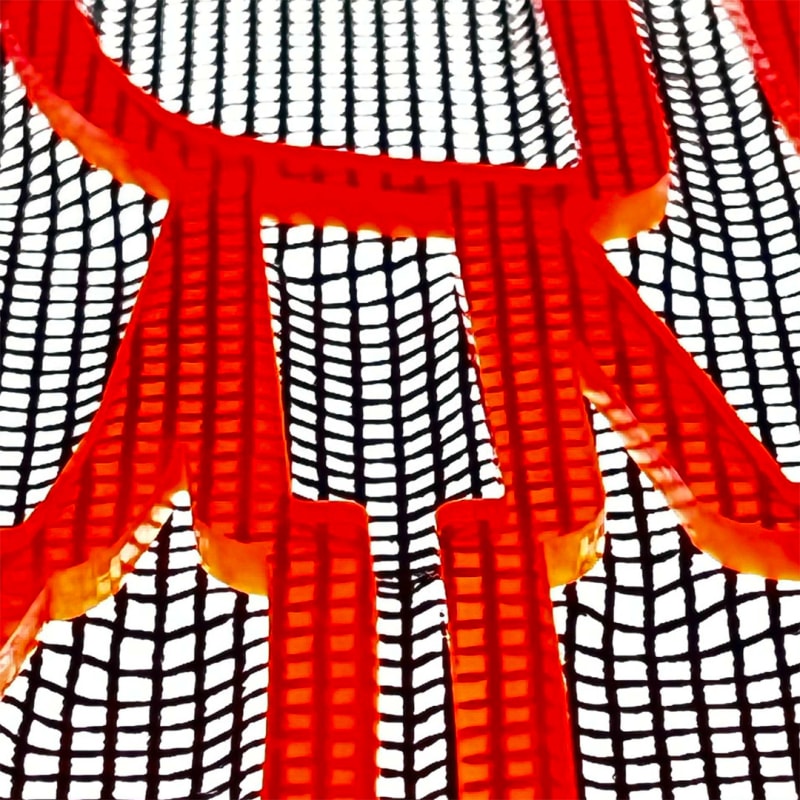
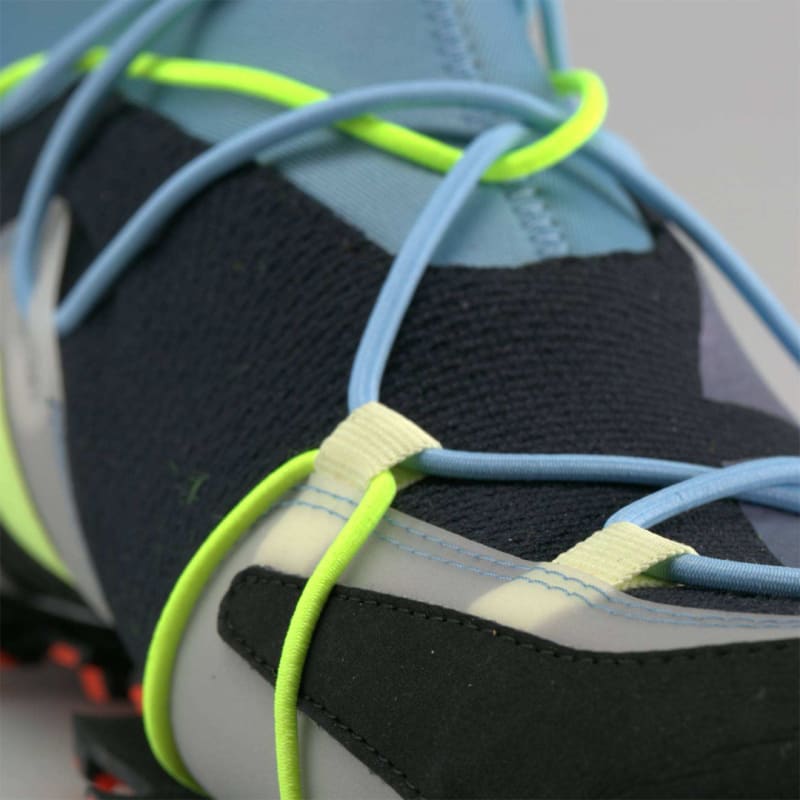
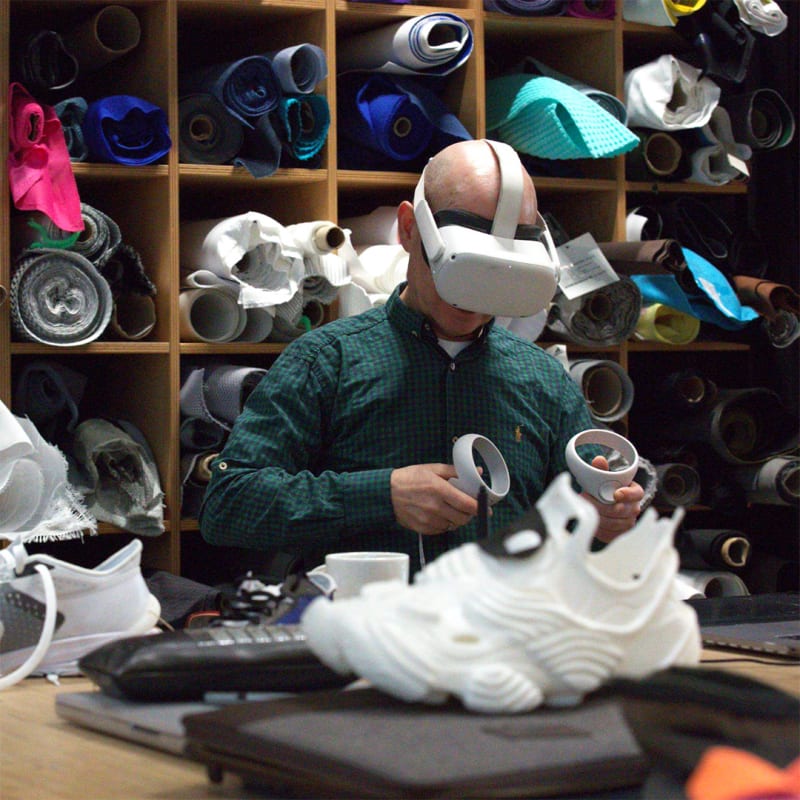
A new chapter emerged and technologies started to play a bigger part in the industry. Artificial intelligence, collaborative design tools like the VR-driven Gravity Sketch, evolving garment technologies like Tailored Fiber Placement (as seen in the Futurecraft Strung), and advanced digital creation tools were transforming how ideas move from imagination to reality.
Programs were piloted, tested, and replaced. The MakerLab team started to realize that technology, as with fashion trends, ebbs and flows. One thing they did hold true to is the acknowledgement that there’s still space for analog.
2025: The Network Effect
By 2025, MakerLab impact became visible across numerous categories and functions, with a closer connection to the creative direction of the brand.
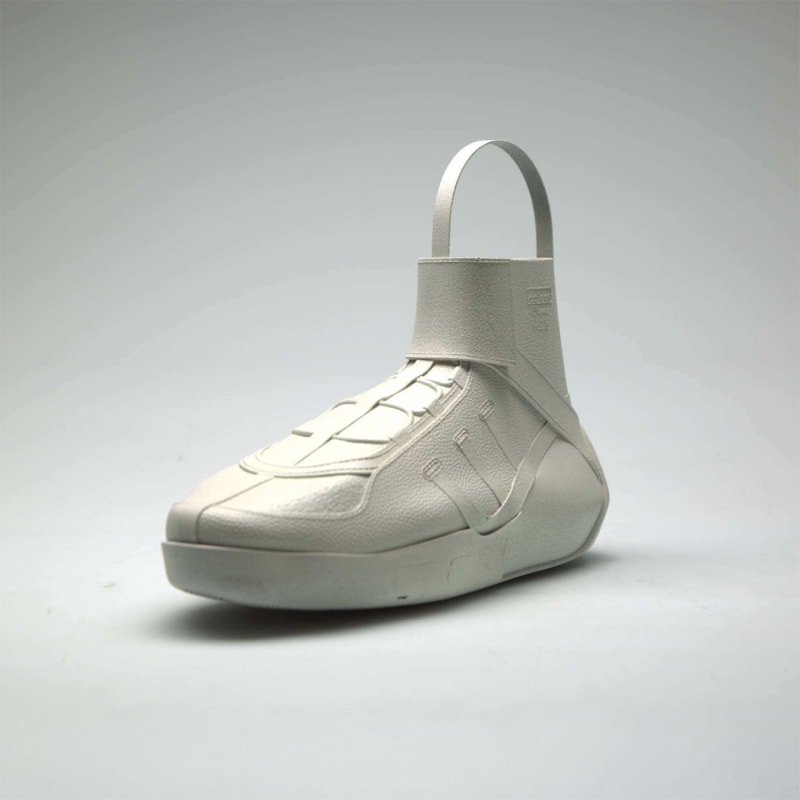
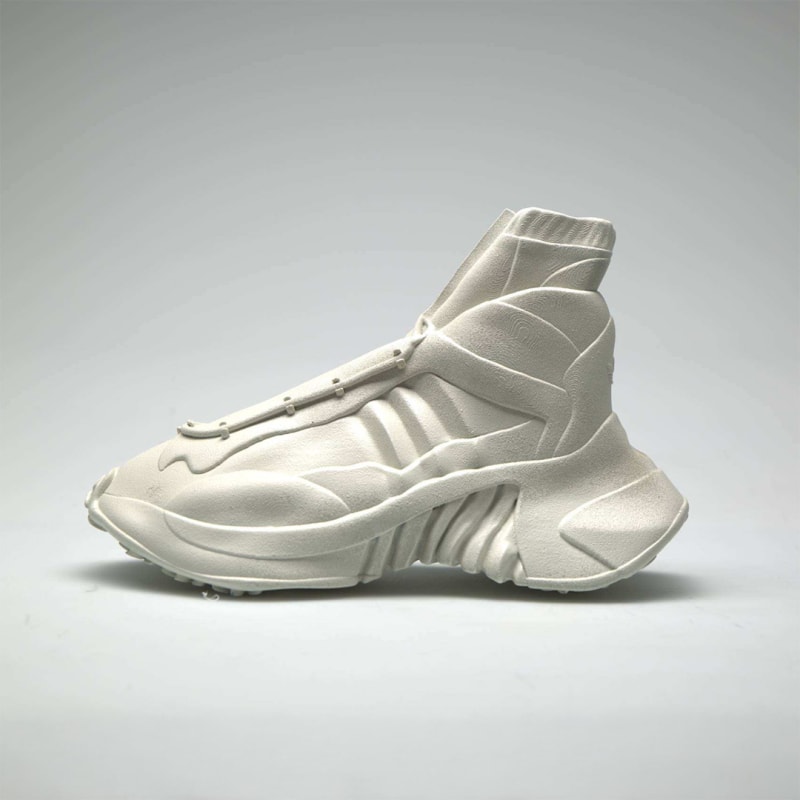
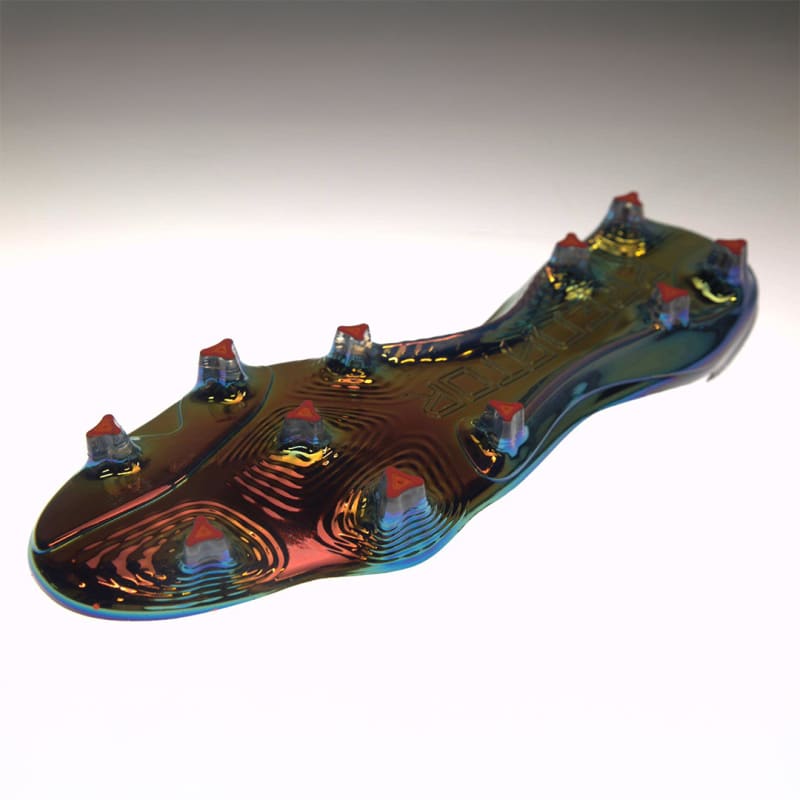
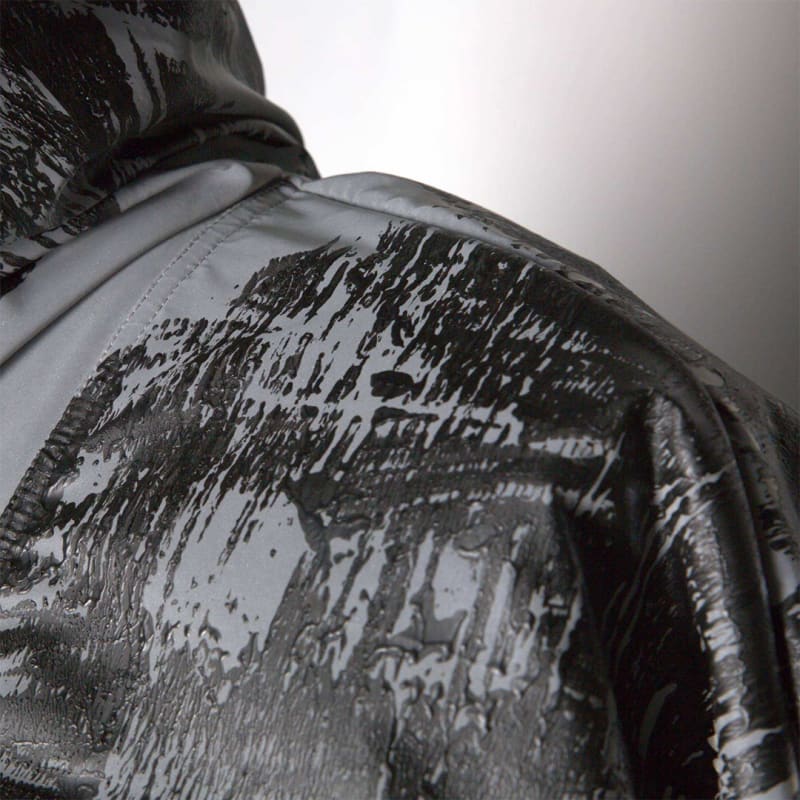
The story shifted from supporting single projects to empowering creators across multiple business units including Terrex and Originals. The team also developed a closer bond with the Innovation team, helping to craft future concepts and innovation programs such as the Ultracharge technology first seen at the ‘Chasing 100’ event. Such collaborations show that the MakerLab isn’t just about supporting the creation of beauty, it’s providing the space to push the boundaries of engineering.


FINALE | THE NEXT TEN YEARS
2026: TEN YEARS OF MAKING
Ten years of prototypes.
Ten years of experiments.
Ten years of workshops.
Ten years of learning.
Ten years of helping people transform ideas into reality.
The tools changed. The technologies evolved. The mindset remains the same.